|
Site Map




Signed Vintage Costume
Jewelry
Unsigned Vintage
Costume Jewelry
Contemporary Pre- owned
Costume Jewelry
Sterling
Silver and Copper
Shop by Designer
Shop by Theme
Art Nouveau and Edwardian
Victorian
Art Deco
Plastic Jewelry
Gentleman's Accessories
Shabby Chic
Wedding, Prom and Party Jewelry
Collectables and
Commemoratives
Miscellaneous Accessories
Under $50.00
Clearance Items
Gift Certificates
Book Pieces
Estate Jewelry
Research Books
Resources
Modernist Jewelry
Designer Galleries
Trifari
Weiss
Kramer
Coro, Corocraft &
Vendome
Lisner
Napier
Monet
Park Lane
Avon
Sarah Coventry
Marvella
JJ
Art
Alice Caviness
Hobe'
Miriam Haskell
Florenza
Eisenberg
Hattie Carnegie
Beaujewels
D&E, Juliana and
Juliana Style
Robert
Hollycraft
Bogoff
Krementz
Schiaparelli
Warner
Boucher
Harry Iskin
Kenneth Jay Lane,
KJL, Kenneth Lane
Mazer Brothers &
Jomaz
Little Nemo
Austria
Accessocraft N.Y.C.
Robert DeMario
Pell
Ciner
Nettie Rosenstein
Matisse and Renoir
Miracle
Bergere
Erwin Pearl
Beaucraft
Carl Art
Laguna
Gerry's
Brooks
Karu Arke
Whiting & Davis
BSK
Joan Rivers
Musi
Givenchy
Les Bernard
Schreiner
Judy Lee
Sandor
Barclay
Cadoro
Christian Dior
Mylu
Mimi di N
Regency
Jewelarama
Danecraft
Pauline Rader
Sherman
Schrager
Carolee
Eugene
Beatrix
1928
Stanley Hagler,
Mark Mercy & Ian St. Gielar
Joseff of
Hollywood
Michal Negrin
Theodor Fahrner
Spratling
Unger Brothers
Rebajes
Gerard Yosca
Los Castillo
Cini
Star-Art
Coppola e Toppo
Walter Lampl
Los Ballesteros
Iradj Moini
Castlecliff
Elzac
Swoboda
David Andersen
Fred A.
Block
Déja/Réja
Chanel
Silson
B. David
HAR
Pennino
Ben Amun
William Kerr
Kirks Folly
Esther Lewittes
CIRO
Aksel Holmsen
Jakob Bengel
Auguste Bonaz
Van Dell
ORB [Otto R.
Bade]
N.E. From
Graziella Laffi
Freirich
Husár D
Mary Frances
LIA
DeRosa
DeNicola
Stephen Dweck
Sam Kramer
Louis Rousselet
Catherine
Popesco
Sigi
Pineda
Josef Morton
McClelland
Barclay
Lunch at the Ritz
Larry Vrba
Agatha Paris
Leo Glass
Claudette
Charel
Monies
Staret
Hans Hansen
Engle Brothers
Ed Wiener
Korda
Adele Simpson
Louis Féraud
Panetta
Joseph Wiesner
Lea Stein
Reinad
Thelma Deutsch
Maricela [Isidro
Garcia Pina]
Garne
Robert Mandle
Antonio Pineda
Butler and Wilson
Nolan Miller
Suzanne Bjontegard
Scaasi
Zoe Coste
Henry Steig
DeLillo
Diamonbar
Capri
Cathe
Attruia
PAM
Selro & Selini
ORA
Jeray
Urie Mandle
Nina Ricci
Yves Saint Laurent,
YSL
Anna Greta Eker
Lapponia
Carl Ove
Frydenburg, COF
Rachel Gera
Am Lee
Oscar de la Renta
Calvaire
Carol Dauplaise
La Roco
Richelieu
Denbe
Henkel and Grosse
Allan Adler
Vogue
Judith Jack
Parco
Tone Vigeland
Ledo, Polcini
R.J. Graziano
Swarovski
Tortolani
L. Razza
Emmons
Michal Golan
Dalsheim
Celebrity
ORNO
Du Jay
Banana Bob
Rousseau
Jolie Gabor
Stuart Nye
Kay Denning
Ultra Craft
Paul Lobel
Longcraft
Karl Lagerfeld
Jorgen Jensen
Deauville
Cacharel
Norma
Ann Vien
Leru
Hedy
Edgar Berebi
Scholtz and
Lammel
Jeanne
Norma Jean
Bob Mackie
Guy Laroche
Dorothy Bauer
Christopher
Radko
Tancer II
Christian
Lacroix
Elizabeth Taylor
Mark Edge
Roman
Laurel Burch
Lanvin
Flying Colors
Mizpah
Virgil Cantini
Ed Levin
Lilly Dache
Dodds
Limoges
langani
Perli
Bill Schiffer
Duane
Pastelli
Botticelli
Triad
Tara
Jewels by
Julio
Amy Lacombe
Escada
Irena Bryner, Irena
Brynner
Marlene
Margot de Taxco
Caroline Gleik
Rosene
Judith
Leiber
Hess-Appel [Jolle]
Phyllis Jacobs
Rebecca Collins
11 W. 30th Street
AJC
Continental
James Arpad
Goldette
Bellini
Jay Strongwater
Erickson Beamon
Vera Wang
Gale
Thomas L. Mott, TLM
Star
Gret Barkin
Kenneth Begay
Pakula
Kultaseppa Salovaara
Gucci
Marcin Zaremski
Art Smith
Rozen
Sten & Laine
David Mandel [The Show Must Go On]
Halbe
Sweet Romance
Edlee
Mary DeMarco
Robert Gardner
St. Labre
Robyn Rush
Cony/Victoria
Chico's
D'orlan, Dorlan
Elsa Freund
Mamselle
de Passille- Sylvestre
Donald Stannard





|
[N to Z]
plus European, Mexican and Modernist


Amazing
Adornments presents
The History of American and European Costume Jewelry Designers and
Manufacturers Including American Modernist Jewelry. As we find out additional facts
and gather additional
hallmarks from the designer or manufacturer, we will add them. We
will add additional designers as time permits and update these pages often.
All hallmarks, maker's marks and gold or silver content marks on this page
are from jewelry for sale or previously sold at our online store.
This is a work in progress!
and a labor of love

|
Back to Designer Hallmark and History Page One
| Mimi Di N |
|
| Mimi Di Nascemi 1960s to 1985?-
Sicilian born. Studied in Paris and Phildeplphia. Worked for
several designers including Arnold Scassi. I have read that she
also worked for Robert DeMario. DeLizza and Elster produced some
pieces for her. Many of her pieces have understated classic
looks.
Back to top |
|
|
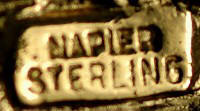
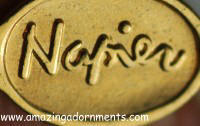
Napier
|
|
|
Founder (s): Whitney and Rice
Company Attleboro, MA USA 1876 -Okay this gets a bit complicated as this
company has been around for some time and has had a few name and location
changes. Napier is one of the oldest jewelry companies in the United States,
however the contemporary jewelry signed Napier, probably has very little in
common with the jewelry produced by Whitney and Rice. Whitney and Rice was
founded as a silver manufacturing company. They produced watches mostly. In
1882- 1883 the company was sold and the name was changed to Carpenter and
Bliss and then again to E. A. Bliss and Company. [E.A. Bliss and J.E.
Carpenter]. The company experienced above average growth and soon
moved from MA to Meriden, Connecticut. In 1920 James Napier became president
of the still growing company. The name was changed to Napier Bliss Co.
In 1922 the name was changed yet again to Napier Company. The company
continued to thrive under Mr. Napier until his retirement in the 1960s.
Napier was sold in the 1990s. In 1999 the Meridian office/plant was closed.
Napier jewelry was being produced by the Jones Apparel Group and although
very successful, the jewelry lacks the quality of the older pieces. I
checked the Jones Apparel website on January 14, 2007 and while Napier is
still listed you can no longer click on the provided link. I have read that
Jones Apparel stopped producing Napier jewelry and perhaps this explains the
link. Further research required! Speaking of research, a member
of the Jewel Collect online forum that I belong to is writing a book about
this wonderful company. The book should go a long way to clear up some of
the questions about Napier. The older pieces and the sterling silver pieces
are sought after and very collectable. Many hallmarks were used.
Back to top |
 |
|
Norma |
|
1940s - perhaps 1950s New York as the Norma
Jewelry Company. Sterling vermeil jelly bellies and sterling and
rhinestone jewelry.
Back to top
|

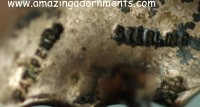
Pat Pend. and Sterling |
|
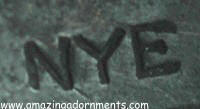
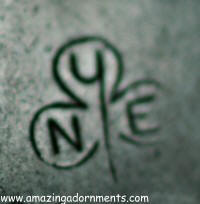
Stuart Nye |
|
|
1933 Ashville NC - Handcrafted copper, brass
and sterling. Stuart Nye became well known for his Dogwood
flower design. Many of his designs are taken from nature. Mr.
Nye is self taught. The company has a current website. The
jewelry produced today is still handcrafted.
Back to top
|
 |
|
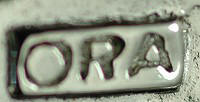
Ora |
|
|
Founders: Oreste Agnini and
Ralph Singer ~ Chicago IL, USA ~ 1921 to Current- Their website
states that they were the first costume jewelry company based in
Chicago. The companies products have been seen in magazines. In
addition to jewelry they also produced fraternal pins. In fact,
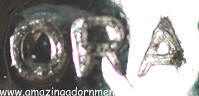
they still do. The hallmark ORA was used for the first time in
the 1940s. |
 |
|
Jewelry is still being produced
from the companies original molds. The jewelry then and now is
high quality and high- end. Some have said that the jewelry
looks like Bogoff jewelry. I agree with this statement. Others
have said that the jewelry is undervalued.
Back to top
|
 |
|
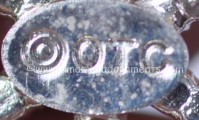
OTC |
|
OTC International, LTD. Late 1970s-
current. Retailer and wholesaler of jewelry, watches and
giftware.
Back to top
|
 |
|
Pakula |
|
|
Chicago, Il. Late 1930s- to the
late 1990s. Manufactures and wholesalers of costume
jewelry and accessories. Sold to other designers and jewelers as
well as having their own line of costume jewelry. They had an
association with DeLizza and Elster as well as Hollycraft.
Rhinestone jewelry many in crystal color. Enamel pieces. See
some pages from the 1955
Pakula catalog.
Back to top
|
 |
|
Pam |
|
|
This is another company where information is scarce. It appears,
from the look of the jewelry, that they were active in the
1950s. Pieces we have seen are usually plastic, some with
rhinestones.
We have seen metal pieces set with rhinestones and a few
figurals. All had a 1950s- 1960s look.
Back to top |
 |
|
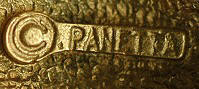
Panetta |
|
|
Founder (s): Beneditto Panetta along
with his sons, Armand and Amedeo ~ 1945 New York, NY USA -Italian born
Beneditto Panetta came to the United States in the early 1900s. In Italy he
manufactured and sold fine jewelry. Panetta worked for Trifari and Pennino
designing some of their costume jewelry. In 1945 along with his sons he
began his own jewelry business where his background in fine jewelry
certainly came into play. Panetta jewelry is extremely well made. His pieces
are heavily rhodium or gold plated and often resemble the real thing.
Sterling silver was also used. Also of note is the amount of detail that is
seen in these pieces. Signature Designs: Pave set enamel jewelry,
high quality rhinestones and elaborate settings. Rhodium, gold plated and
sterling backings. Detailed workmanship.
Back to top |
 |
|
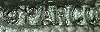
Parco |
|
|
Providence RI USA Mid 1940s to al least the
Mid 1950s - Florals with crystal centers.
Back to top
|
 |
|
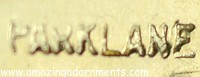
Park
Lane |
|
1955 - Still in business with current web site.
Back to top
|
 |
|
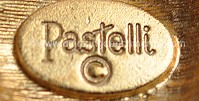
Pastelli |
|
Royal of Pittsburg ~ 1950s -? perhaps the 1980s. Have seen old
ads dating to the 1950s. Known for colorful enamels.
Back to top
|
 |
|
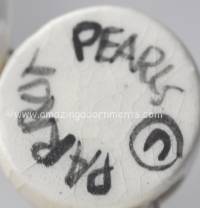
Parrott Pearls |
|
1970s San Francisco, CA Candace Loheed, Bean Finneran. bright
ceramic jewelry in bold styles. Some of the designers left
during the 1980s to form
Flying Colors. Remaining owners formed
Ruby Z.
Back to top
|
 |
|
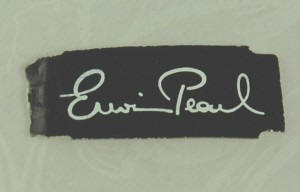
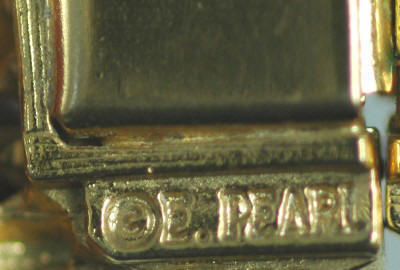
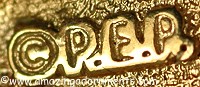
Erwin Pearl |
|
|
Founder (s): Erwin Pearl as
Erwin Pearl Inc., 1952- Present [visit http://www.erwinpearl.com] Erwin
Pearl was born in Vienna, Austria and came to the United States at the onset
of WWII as so many Europeans did. He became a sought after diamond cutter
with many wealthy clients. He soon opened his own fine jewelry firm and
later began to produce costume jewelry. There is an Erwin Pearl shop on
Newbury Street in Boston, MA! I love that store!! Techniques:
Styles range from classic to funky and fun.
Update: May 2008: I have seen Erwin Pearl now being sold on QVC.
Back to top
|
 |
|
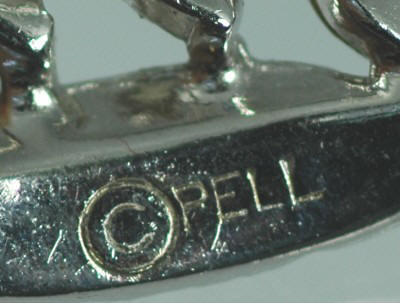
Pell |
|
|
Founder (s): Alfred, William,
Anthony and Joseph Gaita as the Pell Jewelry Co. Long Island, NY 1941-
present -The four above mentioned gents were brothers. From the beginning
the brothers produced costume jewelry that was of good quality. Pavé set
stones were used in many pieces. The Pell Jewelry Co. made jewelry for
Disney, and beauty pageants. Some of their tiaras are just stunning!
The company is still in business and their newer pieces are being sold on
QVC. Signature Designs/Techniques:
Figurals, pavé set stones, Christmas Trees.
Back to top |
 |
|
Pennino |
|
|
Founder (s): Oreste Pennino
along with his brothers Frank and Jack as the Pennino Jewelry Company ~ New
York City, NY USA Late 1920s to mid 1960s - [Their father Pasquale actually
opened a company earlier calling it the Pennino Jewelry Company.] The
company founded by the brothers was in business for less than forty years.
During this time they produced some of the prettiest costume jewelry you
will see if you have a taste for the classics. Known for making high quality
pieces with fabulous designs and a sophisticated look. Their jewelry was not
produced in abundance making it hard to find on the market. There is some
suspicion that not all of the jewelry was signed. The pieces marked "Pennino
Sterling" command the highest prices. Signature Designs/Techniques:
Use of clear rhinestones of the highest quality, heavily plated
settings, sterling.
Back to top |
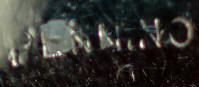
Additional Hallmarks:
Pennino in
script, Pennino Pat Pend and Pennino Sterling |
|
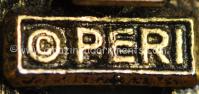
Peri |
|
1960s- perhaps the 1980s. There isn't a lot of information about
this company. Produced antique look necklaces, bracelets, cameos
and other brooches with surrounds.
Back to top
|
 |
|
Pitman and Keeler |
|
Attleboro, MA
Back to top
|
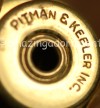
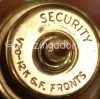
Marks found on cufflinks from
the Art Deco era. |
|
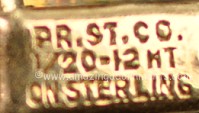
Providence Stock Company |
|
Providence RI, 1890s to the 1950s. Mark to
the right was found on a 1940s sterling vermeil piece .
Back to top
|
 |
|
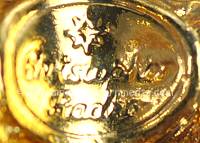
Christopher Radko |
|
New York. besides Christmas pins Radko is
known for ornaments. Some of the ornaments are sold at high end
stores such as Nieman Marcus. The company has been in business
for over 20 years. Pieces are often found marked only by an
attached hang- tag or a presentation card. They pride themselves
in retiring pieces each year to enhance their collectability.
Have current website.
Back to top
|
 |
|
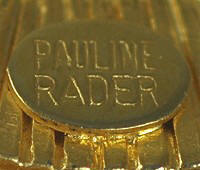
Pauline Rader |
|
|
Founder (s): Pauline Rader 1962- It
is thought that her company closed in the 1980s. While in business Pauline
Rader produced a limited amount of costume jewelry, usually for special
clients. Some of her jewelry was sold in boutiques. Her design style was
towards the larger heavily plated pieces. Pauline Rader jewelry is rare.
Signature Designs/Techniques:
Large gothic looking pieces, pieces with a Classical influence, Russian
gold plating, pave set stones, glass beads and interesting stones. Unique
jewelry.
Back to top |
 |
|
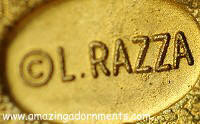
L. Razza |
|
|
Founder (s): Luca Razza [I have seen
his first name also spelled Luka and Luke] 1950s. Still in
business in Rhode Island, USA. Known for figurals, zodiac pieces
and plastic that is used along with metal. This company
developed a plastic that mimics ivory during the 1960s- 1970s
time frame.
Back to top
|
 |
|
Reed and Barton |
|
|
Henry Reed Family privately owned.
Taunton MA 1824. Most known for sterling silver
tableware and giftware. During the Civil War this company
produced some weapons for the Union Army. In 1996 they produced
the medals for the Atlanta Summer Olympics. Reed and Barton is
also the choice of the White House, or at least was. In 1974 the
company produced a series of damascene jewelry. Have current
website.
Back to top |
|
|
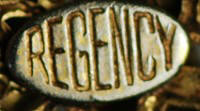
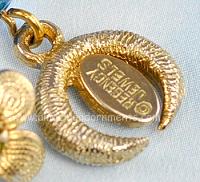
Regency
|
|
|
Founder (s): Regina Novelty Company
New York, NY 1950s - 1970s- Information regarding this company is scarce.
The costume jewelry is always well made with high quality and unique
rhinestones. It was marketed directly to department stores in large cities.
Regency costume jewelry was not always signed with the copyright symbol.
Many brooch and earring sets have only the brooch signed. Signature
Designs/Techniques:
Multi- colored rhinestones, beautiful combinations. Frosted stones.
Colorful butterfly pins.
Back to top
|
 |
|
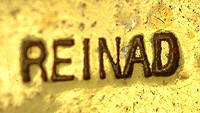
Reinad
|
|
|
Founders: 1920s- 1950s? Reinad
Novelty Company ~ New York, NY- This is another company with an interesting
history. It seems that during the 1940s they produced a line of costume
jewelry with the mark "Chanel Novelty Company". The jewelry was marked
Chanel in script. Well, they were not associated with
Coco Chanel and as you might expect, she or her company did not like the
use of the name "Chanel Novelty Company." Jewelry marked "Chanel" in script
was only made during 1941. It is very rare. This company is said to have
produced jewelry for other companies. Perhaps that is why there is a near
identical "Oriental Princess" pin/clip like theirs signed Hattie Carnegie on
the market. Or perhaps they copied the Carnegie pin. I don't know for
certain, but I love them both! Many costume jewelry books say to buy
any Reinad jewelry you come across! Signature Designs: High
quality materials. I have seen several "face" jewels with this companies
mark.
Back to top |
 |
|
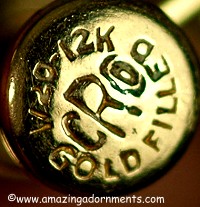
Reis Company |
|
Indianapolis Indiana 1950 - 1977. Hallmark is often said to be
an early Coro hallmark. We feel this is in error.
Back to top
|
 |
|
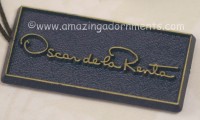
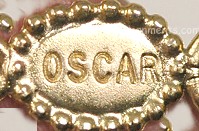
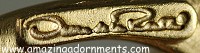
Oscar de la Renta |
|
Born in the Dominican Republic and also a citizen of the USA.
Couture fashion designer.
Back to top
|
 |
|
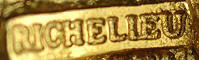
Richelieu |
|
| Founder/Owner: Joseph
H. Meyer and brothers- New York, NY USA - Early 1900s to early
2000s. Best known for faux pearl jewelry. Richelieu mark was
first used n 1911, however not all of it was signed until the
1950s. The company also used other hallmarks and trademarks.
Back to top |
 |
|
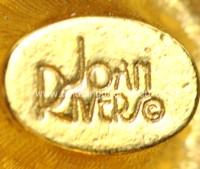
Joan Rivers |
|
1990 - Joan Rivers has done it all. She is a comedian, she hosts
talk shows, she writes books and she has even appeared on
Broadway! Her sense of high style translates well to her
jewelry. Her QVC page states t hat she always insists on on
having high quality material used in her pieces.
Back to top
|
 |
|
|
|
|
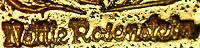
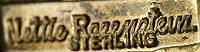
Nettie Rosenstein
|
|
|
Founder (s): Nettie
Rosenstein Early twentieth century- 1975 -Austrian born Nettie
Rosenstein was another fashion designer turned jewelry designer.
After working out of her own brownstone, that rapidly became
crowded, she opened her first business in New York selling
woman's clothing in the early 1920s. In the early 1930s after a
brief retirement she opened a fashion house selling clothing and
accessories including jewelry. Her first big client was I,
Magnin in the early 1920s. Bonwit Tellers owned exclusive rights
to her label at one time. Rosenstein jewelry is of very good
quality and imaginative. The signed sterling pieces and the
heraldic pieces are the most sought after. Signature Designs/Techniques:
Large and small figurals, enamel, quality rhinestones, heraldic
motifs, sterling pieces.
Back to top |
 |
|
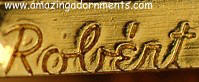
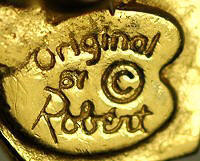
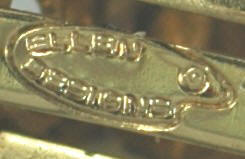
Original by Robert |
|
Founder (s): Robert Levy
along with David Jaffe and Irving Landsman as the Fashioncraft
Jewelry Company, New York ~ 1942. When Landsman left the company
the name was changed to Original by Robert. When Robert Levy
retired and the daughter of Jaffe [Ellen] took over, the name
was changed twice more. First to Ellen Designs for Robert
Originals and then again to Ellen Designs during the early
1980s. The company is known for jewelry that looks like Miriam
Haskell beaded work and enamel jewelry, mainly large colorful
flower pins. Produced collectable Christmas tree pins.
Back to top
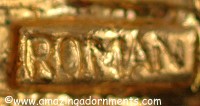
Roman |
 |
Founded in the early 1970s in St. Louis MO
by Melvin Roman. We believe they are still in business.
Have pieces that use rhinestones
and enamel.
Back to top
|

|
|
Robyn Rush |
|
|
Florida. Contemporary designer. Rhinestone
pieces appear to be influenced by vintage designs. Some look
like D&E.
Back to top |
|
|
Ruby Z |
|
|
California. When the San Francisco company
Parrott Pearls dissolved the
owners that did not go on to found
Flying Colors founded this company. Makers of ceramic
jewelry.
Back to top |
|
|
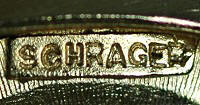
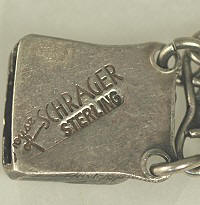
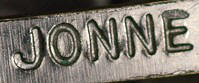
Schrager
|
|
|
Founder (s): New York City, NY ~
1925 - about 1965 as H. M. Schrager and Co. -There is not a lot of
information about this company. The costume jewelry produced by this company
was extremely well made with the highest quality materials. From 1925 to
1959 the hallmarks "House of Schrager", "Schrager", and "House of Schrager"
were used. After 1959 the costume jewelry was marked "Jonne" or on a
paper hang tag "Jonne" on one side and "House of Schrager" on the other
side. The jewelry produced by this company is a rare find. Signature
Designs: High quality rhinestones, beautiful bead work like that of
Haskell, pearls and poured glass.
Back to top
|
 |
|
Schreiner
|
|
|
Owner/Founder: Henry Schreiner
1939?- 1970s New York City- In 1923 Henry Schreiner came to the USA from
Germany. He was a blacksmith by trade. Henry arrived in New York and
found a job at a buckle company making shoe buckles. He learned a lot about
the fashion industry on the job and this training served him well. Designed
jewelry for others such as
Dior. Models wore his costume jewelry on the catwalks. Schreiner jewelry
is not all signed. The jewelry he made for retail was, however the jewelry
created for his other clientele was not. The company never mass produced
jewelry. His daughter joined the company in the early fifties and after
Henry died she continued the fine design work until the firm closed in the
1970s. The ruffle brooch is in great demand.
Signature Designs: Paste stones,
German and Czechoslovakian stones, inverted stones, unusual rhinestone
combinations, keystone cut rhinestones, hook and eye construction, unusual
settings, triangular prongs and extravagant designs. The inverted stones are
set with the point of the rhinestone facing up and the flat table facing
down. This was said to pick up the color of the garment it was placed
against and to produce extra sparkle.
Back to top |
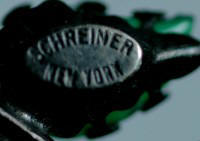
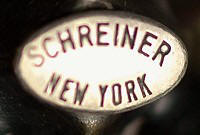
Other hallmarks: Schreiner, Schreiner
NY |
|
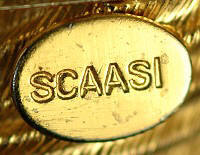
Scaasi |
|
Costume Jewelry: Late 1950s- 1965 New York-
Arnold Scaasi was born in Montreal, Canada as Arnold Isaacs in
1931. He studied fashion design in Montreal and spent some time
in Paris, France. He is probably better known as the designer to
such prominent ladies as Laura and Barbara Bush, Jackie Kennedy,
Ivana Trump, Liz Taylor, Joan Rivers and of he designed the
outfit that the illustrious Barbra Streisand wore to the 43rd
Annual Academy Awards in 1969. For the short period noted above
Scaasi began producing well made costume jewelry. The jewelry
was used to coordinate with his clothing lines. In 1965 Scaasi
factory turned over to Kenneth Lane. Scaasi costume jewelry is
not easy to find. He is a frequent speaker at the Fashion
institute of Technology in New York City, NY.
Update: June 1, 2009: I have noticed that
Arnold Scaasi has designed a line for the rest of us that is now
selling on HSN. The jewelry is still made with natural
gemstones.
Signature Designs/Techniques: Eccentric
yet tasteful designs. Quality materials and use of semi precious
and some precious stones. Attention to the smallest detail.
Back to top |
 |
|
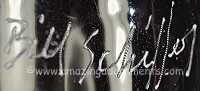
Bill Schiffer |
|
|
If you are familiar with the mural "West Broadway Boogie"
found in the SOHO section of New York City, you know his work.
He is not only an artist, he is also a sculptor and jewelry
designer. His jewelry designs sold at better department stores
and some were chosen to be shown in the Jewels of Fantasy museum
tour. His Art-to Wear has also graced models on the runway and
many fashion magazines. His jewelry is all hand crafted and it
is highly regarded in both the fashion and art worlds.
Back to top |
 |
|
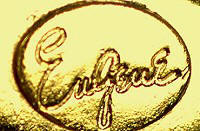
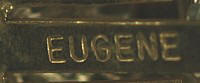
Eugene Schultz |
|
|
Founder (s): Eugene Schultz as
the Eugene Jewelry Company ~ 1950s to the 1960s- The dates listed above
are a best guess and it is thought the company was based in New York City,
NY, USA. The story used to go something like, Eugene was a designer for
Miriam Haskell prior to opening his own company. According to the book
Miriam Haskell Jewelry by Cathy Gordon and Sheila Pamfiloff,
he did not work for Haskell. After his death, the book
states, that Eugene's sample maker joined Haskell. Rumors are hard to quell
once they get started. Eugene did indeed have his own company. Eugene used
similar techniques as
Haskell,
DeMario and Robert so naturally the jewelry would be similar. His
company was not in operation for very long and subsequently did not
manufacture a lot of costume jewelry. This jewelry is not easy to find and
can be costly. Many pieces are not marked. Techniques:
Beaded and pearl jewelry of high quality. Fancy clasps. Wired beads to
filigree backings.
Back to top |
|
|
Selini |
|
|
Founder (s): It is now known that the
founder of Selro Corporation, Paul Selenger, also founded
Selini. 1950s - 1960s ~ New York City -Up until recently the
connection between the two mentioned companies was the stuff of
chat groups and collectable costume jewelry forums. Much of the
jewelry was similar in construction and in the use of materials.
Some were of the very same subjects or had the exact same
motifs. To complicate matters, some of the Selini as well as the
Selro jewelry pieces were not signed and instead used paper hang
tags to identify the maker. Somewhere along the line it was
noticed that some of the jewelry had both names, Selro and
Selini stamped on them. Eureka! Signature
Designs/Techniques:
High quality, elaborate bracelets, vibrant colors.
Back to top |
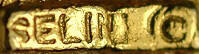
also "A Selini
Original" on a paper hang tag. |
|
Selro |
|
Founder (s): It is now known that the
founder of Selini, Paul Selenger, also founded Selro
Corporation. New York City ~ Selro jewelry is highly
collectable, especially the face jewelry. Signature
Designs/Techniques:
Artistic looking rhinestone jewelry, face jewelry, outstanding
stones and use of stones.
Back to top
|
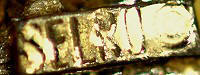
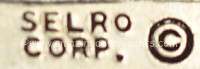 |
|
Adele Simpson |
|
| Founder (s):
Adele Simpson -1940s and
1950s-Like
Chanel
and
Schiaparelli, Adele Simpson was a high fashion clothing
designer. She started producing costume jewelry to compliment
the outfits she designed. She did not produce that much jewelry
and even at the time it was quite pricey making finds rare.
Signature Designs: Quality! I have often read and noticed
myself that vintage Adele Simpson jewelry looks just as good on
the reverse as it does on the front. This costume jewelry is
rare and a great find.
Back to top |
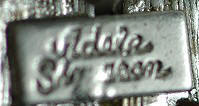 |
|
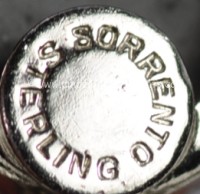
Sorrento |
|
|
Founder (s): Victor Sorrentino -
Providence RI ~ 1911-When founded this costume jewelry company was named
after Victor Sorrentino. In the early 1920s, the name was changed to Uncas
Manufacturing Company. Sorrento is one of the trademarks used by this
company. It is believed the mark was used beginning sometime in 1950s. Uncas
was also used as a hallmark. Signature Designs: Sterling silver and
gold plated jewelry.
Back to top
|
Hallmark:
Sorrento
 |
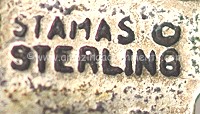
| Stamas Sterling |
|
Steve Stamas - Has current web site.
Back to top
|
 |
| Donald
Stannard |
|
| 1972-2000- Prior to opening his own company
Donald Stannard was an assistant to Kenneth J. Lane (1968-
1972). His work could be found on starlets including Dixie
Carter and Ginger Rogers. He designed pieces for Broadway shows,
daytime soap operas, Dynasty and Hollywood movies. He has been
referred to as one of America's great designers at important
auction houses. I have read that he now produces pieces for
private clients.
Back to top |
 |
|
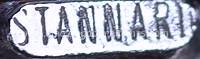
Star
|
|
|
Founder (s): The information about
this company is limited. I have read that this is the same company as the
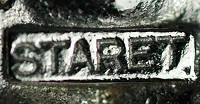
Star Novelty Company of Chicago. Star Novelty Company used the mark Staret.
I can find no reference to this company [Star] being
associated with the Star Novelty Company/Staret. Costume jewelry with the
mark "STAR" is of average quality with some of the rhinestone jewelry being
better. The jewelry was most likely made between 1940 and the 1960s.
Signature Designs: Thermoplastic jewelry, rhinestone jewelry and figural
jewelry. Back
to top |
 |
|
Star Art |
|
Makers of delicate gold- filled and sterling silver jewelry.
The pieces I have seen are decorated with small rhinestones. No
additional information is available.
Back to top
|
 |
|
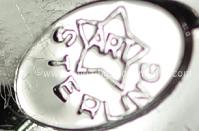
Staret |
|
|
Founder (s): Star Novelty Company
Chicago IL, USA ~ Most Likely 1935 - 1947 In 1941 the name Staret was
registered in the Jewelry Board of Trade Directory and used until 1947
according to Brunialti A Tribute to America page 41. -I do
not believe this is the same company that produced jewelry using the mark
STAR. The Star Novelty Company, using the mark
Staret, produced some of the finest costume jewelry during the
1940s. Notice that the company was based in Chicago just as
Eisenberg
so I suppose there was bound to be a comparison between the two. It just
so happens that this time the comparison is justified. This company produced
high- end costume jewelry in premium settings such as rhodium with the
highest quality rhinestones. Some of their patriotic designs include the
famous Liberty Torch from 1942 and the Remember Pearl Harbor pin from the
same year. The torch pin is often reproduced and sold on eBay as the real
thing! This company was also well known for figural jewelry. Not all of
their pieces were signed and it is believed that some of the pieces might
have been produced for Staret by another manufacturer. Their jewelry is
considered rare. Signature Designs/Techniques:
Figurals, patriotic jewelry, quality, colorful rhinestones and floral
brooches.
Back to top |
 |
|
St. John |
|
|
Irvine , CA. Founded in 1962 by a former
model Marie Gray and her husband Robert. Their daughter Kelly
was their first spokes model. Karen Elson, Angelina Jolie and
Gisele Bundchen have also had this role. The company is well
know for knit clothing sold in finer department stores. They
also produce perfume, jewelry and accessories. They have a
current website.
Back to top |
 |
|
St. Labre |
|
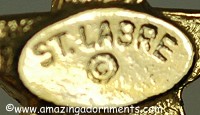
Company began by New Yorkers on a Cheyenne Indian Reservation in
Montana. Mid 1960s to the Mid 1970s.
Back to top
|
 |
|
Jay Strongwater |
|
|
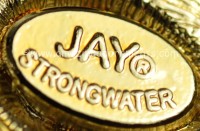
Jay Feinberg Fashion Jewelry - Later, during the late 1980s,
this first company was dissolved and name changed to John
Strongwater. The company re- launched during 1990. Depending on
how you look at things high end jewelry designer Jay Strongwater
either began his career when he designed a necklace for his
mother in 1981 that was admired by a local shop owner or when he
dropped out of the Rhode Island School of Design to begin his
own business in 1982 in New Jersey. Oh, I should add that in
between he already sold his designs to Henri Bendel and Saks
Fifth Avenue. He designed jewelry for
Oscar de la Renta in
1983 which gave him even more exposure. Known for using high
quality material, elaborate picture frames. Oprah Winfrey gave
one to David Letterman when she appeared on his show for the
first time. He is also known for boxes and vanity items that are
elaborately decorated. Has current website.
Back to top
|
 |
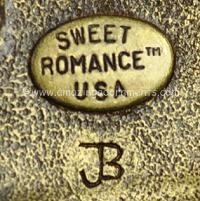
| Sweet
Romance |
|
California 1980s.
This brand is produced by Shelly Copper who
was a historian and an artist. She blends the two when she
designs her jewels. Her pieces are designed to reflect eras such
as her Victorian look pieces. She has famous clients and her
pieces are used in the wardrobe department at NBC television
and Paramount Pictures. Many of the pieces are made with
crystals and ornate findings. She also sells accessories. Has
current website.
Back to top
|
 |
|
Swoboda |
|
|
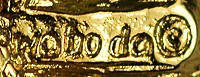
Founder (s): Edward Swoboda, Los
Angeles CA, USA ~ 1955/1956 - the 1980s- Edward Swoboda knew a thing or two
about gemstones. He used his knowledge to create jewelry usually in gold
plated metal set with genuine gemstones such as jade, coral, opals and
peridot. Some of their costume jewelry was set with cultured pearls. His
jewelry became a favorite of the Hollywood scene and Nancy Regan
commissioned one of the companies cypress tree pins when her husband was
governor of California in 1966. In 1957 Nate Waxman joins the company. He
ran the company after Edward retired. When Swoboda closed Nate went on
to sell jewelry on the internet. By the 1960s Swoboda had three showrooms.
The jewelry was not marked until 1966.
The gorgeous designs sold at most of the better department stores such as
Saks Fifth Avenue. Some of their popular pieces have been re-issued
recently. Signature Designs/Techniques:
Costume jewelry with gemstones. Oriental looks and Victorian looks as
well. Back
to top |
|
|
Symphony |
|
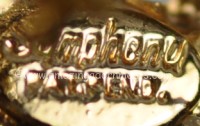
Founder (s) Sommers and Sherman. There is not a
lot of information about this company. Jewelry by them that we
have seen have been marked pat pending for patent pending. This
leads us to believe they were in business prior to 1955.
Back to top
|
 |
|
Tara |
|
|
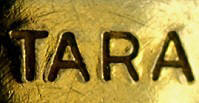
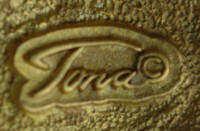
This mark appears to have been used by several
unrelated companies. One of the companies, out of New York City,
had some of their jewelry produced by
DeLizza & Elster. Two
of the hallmarks are to the right. There are others!
Back to top
|
 |
|
TAT |
|
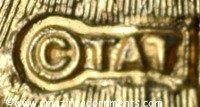
Mystery Mark - San Francisco, CA??
Back to top
|
 |
|
Tofa |
|
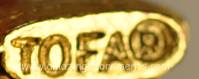
New Jersey- Contemporary. We have seen several themed slide
charm bracelets with this hallmark.
Back to top
|
 |
|
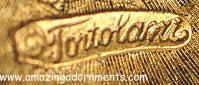
Tortolani |
|
|
Founder (s): Frank Tortolani 1950s.
California. The company is still in business producing a wide
range of items including: letter openers, key chains and lapel
pins. The company is now being run by family members. They have
also re-issued some of their older designs using original molds.
Francisco's father was a jewelry maker in Italy. Frank studied
jewelry design there before coming to the USA. After WWII he
made the dream come true. All of the jewelry is hand cast,
polished and finished. Most of the pieces are in silver colored
metal although some is gold tone and I have seen a few enamel
pieces. A few even have rhinestones. The zodiac pieces are
highly sought after by today's collectors. The newer pieces
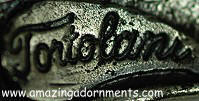
have a different hallmark. The first hallmark to the right is an
older one. It has no copyright symbol. The pieces with the
copyright before the name are newer than those with this
hallmark, but not the newest. The second image has the copyright
before the name. Pieces with the copyright after the name are
much newer.
Back to top |
 |
|
Trifari |
|
HISTORY- Founded by Gustavo Trifari as
Trifari and Trifari in 1910. The second Trifari was his uncle. The
two parted ways a few years later and the company became known
as just Trifari. In 1917 Leo Krussman (a competitor's sales
person) joined and the company became Trifari and
Krussman in 1918. In 1925 Carl Fishel joined the costume
jewelry company as a salesperson and the company became known as
Trifari, Krusmman and Fishel. The genius Alfred Philippe
joins as chief designer in 1930. The company had become a bit
sluggish and he is credited with bringing it back to life with
innovative jewelry designs. The company expanded to become the
second largest costume jewelry manufacturer next to Coro and
their jewelry became very sought after. The hallmark "KTF" was
first used in 1935. In 1939 the hallmark Trifari with the crown
over the "T" was first used on metal. Many patents were issued
to Alfred Philippe. There has been discussion lately as to
whether he designed all of the pieces with his name on the
patent or if he acted as representative for the company in some
cases. I do not know the definitive answer to this question.
There were many designers who worked for Trifari and many
hallmarks. In the future I will place many of these on this
page. There have been several ownership changes as well. Trifari
became part of the Monet Group purchased by Liz Claiborne in
2000. Now located in Puerto Rico.
Materials and techniques included:
Hand set Swarovski rhinestones, molded glass (fruit
salads],
Lucite (jelly
bellies), sterling silver, gold plating and more!
Back to top
|
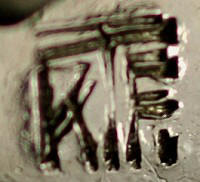
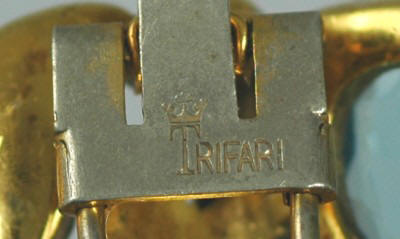
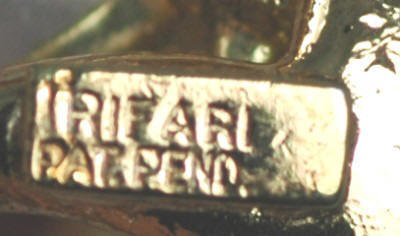
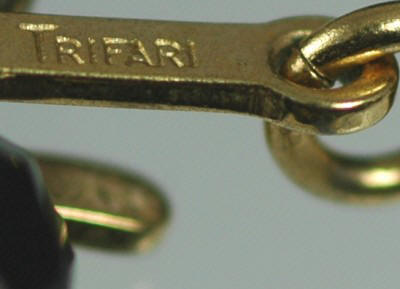
This is a 1970s-1980s hallmark
and was found on a necklace with the hallmark below.
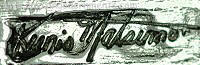
One of many Trifari Designers -
Kunio Matsumo |
|
Uncas
Manufacturing Company |
|
|
1911 - ?. Vincent Sorrentino - Providence
RI- I believe they are still in business. They had many
trademarks including "Sorrento"
which appeared in 1951. The company when founded in Vincent's
name and become Uncas manufacturing company in the early 1920s.
The hallmark Uncas appeared in 1959. They produced gold- filled
jewelry, rhinestone pieces, sterling pieces and rings.
Back to top |
|
|
Ultracraft |
|
| |
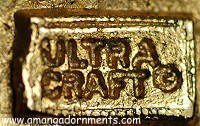 |
|
Unger Brothers
|
|
|
Founder (s): Herman Unger as
Unger Bros. 1872 - 1814 ~
Newark NJ, USA-Originally from Germany, the
family came to the United States in 1849. Herman Unger, the eldest of five
sons began a jewelry business around 1872. In roughly 1878 sterling silver
pieces were produced. All five sons eventually joined the business. Three of
the brothers died, leaving Herman and brother Eugene to continue running the
company. Unger Bros. went on to become the leading manufacturer of
Art Nouveau sterling silver pieces in the United States. The became
known for their impressive and creative dresser and desk sets as well as
hatpin holders and smoking items. Some of their most collectable items are
the unusually shaped and those that are decorated with female or American
Indian motifs. Some of their pieces were named. Some of the outdated
molds and dies were sold to other companies. Pieces made with these molds
were usually unmarked. Techniques/materials:
Sterling silver items with Art Nouveau designs such as woman with
flowing hair. Cherubs and animal motifs as well as floral and foliate
motifs. Heavy chasing. Back
to top
|
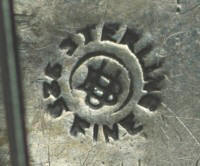
This mark was in use until 1910.
|
| Valenza |
|
| |
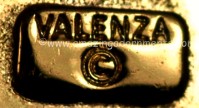 |
|
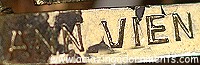
Ann Vien |
|
| Atlanta Georgia, USA - Not a lot is known
about Ann Vien. Jewelry is rare and usually very well made.
Back to top |
 |
|
|
|
|
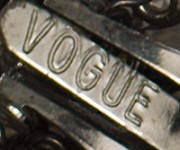
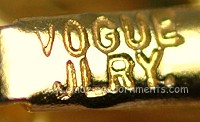
Vogue |
|
Founder/Owner: The threesome of Jack
Gilbert, George Grand [I have seen at least one reference where
this name was spelled Grant] and Harold Shapiro who was the son
of Les Bernard founder, Bernard Shapiro. At least 1936 - the mid
1970s. Once once thought to be the best costume jewelry company
around. Techniques/materials: Most known for crystal and
beaded jewelry.
Back to top
|
 |
|
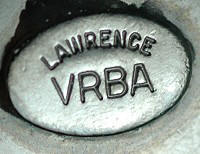
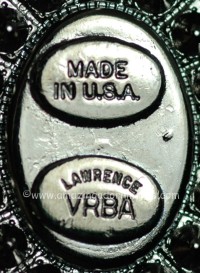
Larry Vrba
|
|
Founder/Owner: Lawrence
Vrba - Larry Vrba began his work at
Miriam Haskell in the late 1960s. He left for a while and
returned in 1970. he became the chief designer and created some
very unforgettable lines, notably the "Egyptian" collection.
Larry left Haskell in 1978 to begin his own company. He was soon
designing costume jewelry for stage and private customers. His
costume jewelry is large and bold. I have a theory that the
scale relates to the fact that stage jewelry needs to be seen
from all parts of the auditorium. Just a thought! His costume
jewelry was only produced in limited quantities. Materials
and techniques included: High quality materials, handmade
jewelry. pewter and gunmetal backings. Oversized costume
jewelry.
Back to top
|
 |
| Vera Wang |
|
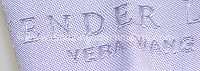
| New York - Former figure skater and once
senior fashion editor at Vogue magazine . Her high end bridal
shop opened in 1990 at a hotel. Although she may be best known
for her bridal line, she does create ready to wear fashion,
perfume and jewelry. She has created wedding attire for many
starlets including Kate Hudson and Jennifer Lopez. She has also
produced fashion for the home. Her
"Lavender Line"
is her edgy street chic line of clothing and accessories and it
sells/sold at better high- end department stores.
Ms. Wang also produced a line called
"Simply Vera" exclusively
for Kohl's Department stores in 2007.
Back to top |
 |
|
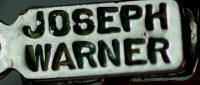
Warner |
|
| Early 1950s- early 1970s. Exceptional
construction and materials. Jewelry often compared to Weiss.
Back to top |
 |
|
Rice- Weiner |
|
| 1938- Rhode Island, USA- Prior
to this date the company was called New England Glassworks which
was founded in 1911. This was only one of the companies name
changes. In 1946 the company split and two of the owners began a
company using the hallmark
Barclay. Another company was formed and the hallmarks were
Jeray and American Beauty Pearls. Rice - Weiner produced and
or stocked jewelry for/by
McClelland Barclay and
Alexander Korda. They also produced jewelry using the Rice-
Weiner mark.
Back to top |
|
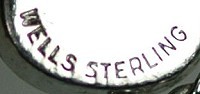
| Wells Inc. |
|
Found on small charm.
Back to top
|
 |
|
Weiss
|
|
| Owner Albert Weiss 1942-1971 -
The company was founded in New York City. At first very
underrated, this firm became trend setting and the prices for
their costume jewelry began to steadily rise. Their output was
small compared to
Trifari and
Coro. I have seen their work compared to that of
Eisenberg. Probably because the company did not produce
their own jewelry. It was "jobbed" out to firms such as
D&E, just like Eisenberg. Weiss was one of the first to have
jewelry made using high quality Austrian rhinestones. In 1960
Albert retired and his son Michael took over. The company closed
it's doors in 1971. Albert Weiss worked at Coro in the 1930s.
Materials and techniques included: Known for their figurals,
especially rhinestone encrusted butterflies and insects. These
are the items most coveted by avid collectors. Also of interest
to collectors are the "black diamonds" also known as the "gray
rhinestone" or smoke rhinestone pieces. Some of their other
designs included floral, fruit, and some Deco pieces. Gold and
silver metal was enameled or Japanned.
Keep in mind that there is an enormous amount of FAKE Weiss
jewelry items on the market. The fakes are reproduced in the
USA and elsewhere and they are sold as authentic. What can you
do when shopping for Weiss? Look at the BACKS! Most, if not all
new/fake/repro Weiss items will have a textured back. Most if
not all will have glued in stones. Usually the clear rhinestone
jewelry was not reproduced.
Finding a piece with glued in stones does not mean it is a
fake. It was easier to fake pieces with glued in stones so look
for other clues.
Back to top
JJ White |
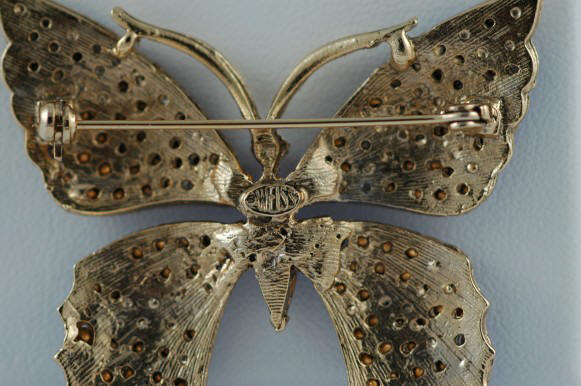
Most repros have textured backs like
this.
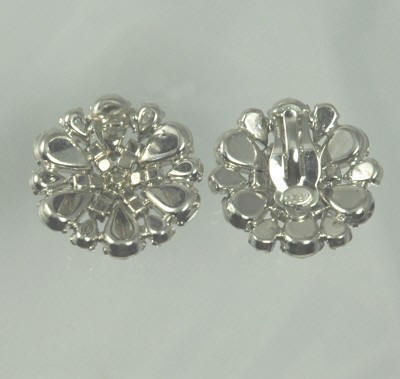
Backs of above earrings shows what
authentic Weiss looks like
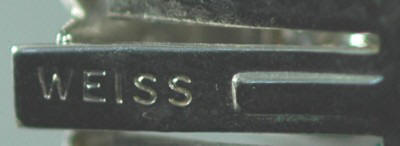
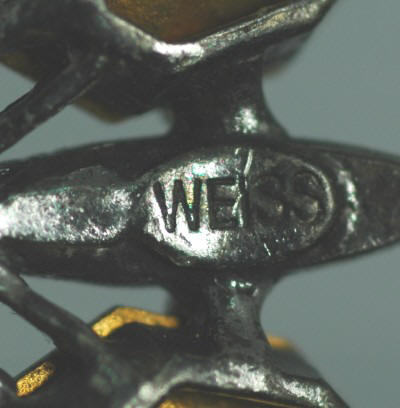
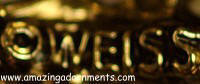
|
| Known for outstanding filigree bracelets.
Many patented during the 1930s.
Back to top
|
 |
| |
|
|
Whiting & Davis |
|
|
Plainville, MA. Well known maker of mesh handbags. Produced
jewelry with lovely metalwork, big cameo pieces, mesh pieces and
rhinestone items. The whiting and Davis hallmark was first used
in 1926. In 1980 the mesh jewelry items were dropped. In the
early 1990s they ceased all jewelry production.
Back to top
|
 |
| Joseph
Wiesner N.Y. |
|
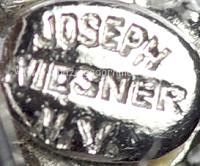
It is believed that this company produced
costume jewelry during the early 1950s timeframe. There is
another company with the hallmark Wiesner that operated out of
Florida. The jewelry is usually well made with above average
materials. Much of it is rhodium plated.
Back to top
|
 |
|
|
|
|
|
|
Modernist
|
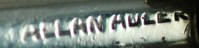
Allan Adler |
|
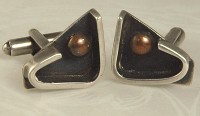
| Los Angeles California
- Created all hand made silver pieces including jewelry. Mr.
Adler passed away in 2002; however there is still a website
[allanadler.com] with additional information about this often
called "silversmith to the stars". During his long career he won
awards, designed mini Oscars awards for the winners, crowns for
beauty contestants and one of his most famous pieces, a Paul
Revere inspired teapot sold for close to one million dollars at
Sotheby's according to the above mentioned website. His famous
clients include: Katherine Hepburn, Michael Jackson and Frank
Sinatra and that is just to name a few. Mr. Adler was also
commissioned to create a piece for John F Kennedy. His work was
produced using the old Arts and Crafts methods.
Back to top |
 |
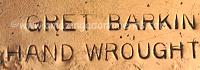
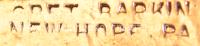
| Gret Barkin |
|
Gret and her husband Rube
Barkin, New Hope, PA 1940s- late 1990s. I have placed
this maker in the modernist category because the style of the
jewelry is modernist and it was hand made. Worked in copper and
sterling. Their shop was named Gret Barkin which I have read
meant Great Bargain. After her husband died it is said that Ms.
Barkin moved the studio to her basement where she continued to
produced jewelry until her recent 2007 passing.
Back to top
|
 |
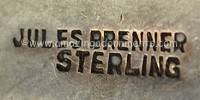
| Jules
Brenner |
|
| New York. Mr. Brenner also
produced copper and brass objects as well as jewelry in
Provincetown while working for Ed Wiener. He also studied under
Ed Wiener. His early work was more in the constructivist style.
His later work are considered to be more surrealistic and
biomorphic. His pieces were either limited production or one of
a kind.
Back to top |
 |
|
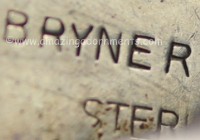
Irena Bryner, Irena Brynner |
|
San Francisco,
Ca, USA. Russian born. Immigrated to San Francisco in
1946. Lived in China and studied Art is Switzerland prior. She
was one of the organizers of the First San Francisco Art
Festivals along with Margaret De Patta and Peter Macchiarini .
Her work can be found in many materials including gold. She was
also a sculptor and author, Her early work is marked with her
last name spelled as Bryner. She later changed it to Brynner.
Her work is highly regarded.
Back to top
|
 |
| Burkee |
|
| Irvin and Bonnie Burkee-
Colorado. During the late 1940s this husband and wife team
established a studio where they created on of a kind pieces and
also some limited production pieces. They work with sterling,
wood, gold, stone, ivory and bone.
Back to top |
 |
|
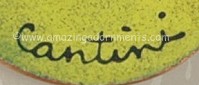
Virgil Cantini |
|
| Italian born. Designed many sculptures for
buildings in Pittsburgh PA, USA. He has received many awards for
his work. He is also known for his stunning enamel on copper
jewelry. He is also a professor emeritus of Fine Arts at the
University of Pittsburgh.
Back to top |
 |
| Betty Cooke |
|
|
Baltimore, MD -Betty
Cooke is a skilled artist and an alum of the Maryland Institute College of
Art where she received her Bachelor or Arts degree. While studying she
also found the time to apprentice with a jeweler in the area. She taught
jewelry making at the Institute for at least two decades. Bette Cooke also
ran a showroom in Baltimore, Maryland where the shopper could find her
creations as well as those of some of her contemporaries. I believe it is
still in operation. Her jewelry was/is also sold in a select few
stores. She has been the recipient of the DeBeers Diamond Today Award
twice. Once in 1979 and again in 1981. She has worked with fashion designer
Geoffrey Beene. Her designs are sculptural, geometric and well crafted. Like
most studio or modern wearable art it is not fussy. She works in silver and
other metals. The prices for her jewelry has been on a steady climb
upward.
Back to top |
Hallmark: COOKE and STERLING underneath |
|
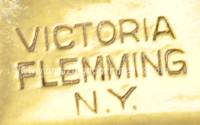
Victoria Flemming |
|
|
Born Victoria Hansen she was originally
from New Jersey, where she worked at a company under
glazing pottery, Ms. Flemming moved to New York where she
continued to learn about and work with pottery. At first, she
produced brooches and earrings. Adding cufflinks after her
second husband was able to secure a source for the findings.
After moving to New Orleans with her second husband the marriage
ended. Victoria stayed. She produced her pieces where ever
she could including the back of a bar. Eventually she dropped
brooches and earrings to concentrate on her hand painted
cufflinks. By 1970 she was not painting porcelain and in
2004 she passed away. Back to top |
 |
|
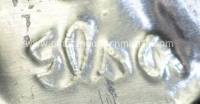
Elsa Freund |
|
|
Born in Missouri in 1912 and moved to
Florida in 1949 with her husband who was a WPA Painter when she
met him. Together they opened an art school. They were both
resident artists at the Stetson University in Deland, Florida.
Elsa soon began to experiment with mixed materials. She used
broken window glass or broken colored glass and clay fired
together. This technique was eventually named Elseramic. She
would wrap the newly made stones in sterling wire, copper and
other materials. She wore her pieces and soon found some shops
in Florida to sell it. Soon shops in Colorado and New York also
began to sell her creations. During the 1950s she was a major
player within the modernist artist community and her work is on
permanent display at several museums in New York, Boston, Los
Angeles, London and Montreal.
Back to top |
 |
|
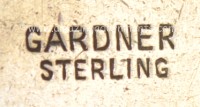
Robert Gardner |
|
Instructor at the Carnegie Institute of
Technology in Pittsburgh, PA. Studied art in Indianapolis and
Michigan. Took part in the 1955 Walter exhibit in Minnesota.
Worked in sterling silver with semi precious stones.
Back to top
|
 |
|
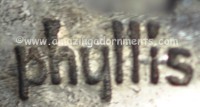
Phyllis Jacobs |
|
|
Jeweler and sculptor.
trained at the Minneapolis School of Art. According to Marbeth
Schon, another jeweler uses a similar hallmark. See her book
Modernist Jewelry, page 104. I have
seen some sterling and rhinestone pieces with a "Phyllis"
hallmark. That "Phyllis" is thought to be the M&S Manufacturing
Company. I am not sure if this is the other "Phyllis" to which
Marbeth was referencing.
Back to top |
 |
|
Sam Kramer
|
|
|
New York, NY -Greenwich
Village must have been a cool place to live during the late thirties and
onward into the 1960s. Sam Kramer was one of many "artist" jewelers that had
studios there creating fabulous expressionistic jewelry. While Sam did take
some jewelry making and gemology classes he was a journalist by training.
After working a while at a newspaper he went to work for a jewelry store. He
moved to New York during the 1950s where he opened his first studio. His
jewelry shows his surrealist eccentricities. He was a groundbreaker, tearing
down the notions of what jewelry was and how it was perceived. Jewelry as
art! His pieces command a high price. Known for surrealist designs,
layering, multilevel design and assemblage. Mixed materials, sometimes used
stones as decoration. Sam Kramer passed away in 1964.
Back to top
Ed Levin |
 |
|
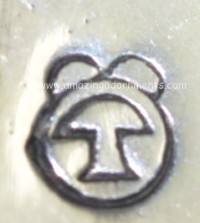
New York and Florida. Teacher, sculptor, inventor. Born in New
York in 1921. Studied fine arts at Columbia. Founded Ed
Levin Jewelry in 1950 along with his wife Ruth. Sadly, Mr. Levin
passed away 2/23/2008. There is a current website.
Back to top |
 |
|
|
|
|
Esther Lewittes
|
|
|
California, USA -When I think of
Modern Studio Jewelry I usually think of Greenwich Village New York. The
west coast did have a thriving scene with several silver artists including
Margaret De Patta and Esther Lewittes. Lewittes handcrafted silver items are
often decorated with cultured pearls. She also works in mixed materials such
as silver and wood or even glass. As with many Modernists, her lines
are geometric, but to me not as severe as some of her contemporaries. Back
to top
|
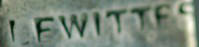
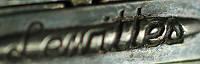 |
|
Paul Lobel |
|
|
It is impossible to discuss American Studio
Modernist artists without mentioning Paul Lobel. He was after all one
of the pioneers of the art form. Picture the scene: Greenwich Village, New
York, late 1930s into the 1940s. Artists and poets along with those that
aspire to be all congregating in the same area. Everywhere you turned you
would see new fashions, jewelry, paintings, sculptures unlike anything
preceding. Lobel, originally from Romania was part of this scene. He
was not only a jewelry artist, he was a painter and a sculptor with a
background in design. Lobel worked not only with silver but with glass,
bronze, steel, wood and later even plastic. It seems that during WWII
with the restrictions on other materials, Lobel worked mostly with silver as
did so many during this time frame. During the mid 1940s, Paul Lobel opened
his studio. Paul Lobel passed away in 1983. Signature Designs:
Simple sleek designs. Flowers, animals. Silver and many other
materials.
Back to top |

|
|
Nita Lustig |
|
|
Chicago
|
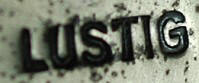
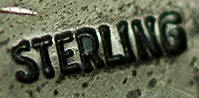 |
|
ORB
|
|
|
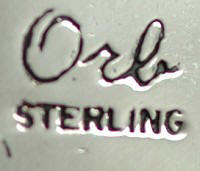
Founder (s): Otto Robert Babe 1960s
-Otto Robert Babe was the plant manager for the
modernist jewelry artist Rebajes from the early 1940s to around 1958. As
such he was responsible for getting the Rebajes pieces that were now being
produced by several people using the Rebajes designs at a factory. Otto Babe
and Frank Rebajes came up with the assembly-line method to keep production
on schedule. When Rebajes retired from the company he founded in the 1960s,
Otto Babe bought the Rebajes catalog of designs and machinery. He
continued to produce jewelry using the designs.
Signature Designs:
Sterling silver jewelry in the style of
Rebajes.
Back to top |
 |
|
Rebajes
|
|
|
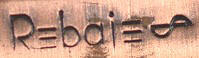
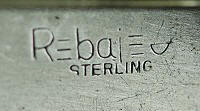
Founder (s): Francisco [Frank]
Rebajes - New York City, NY, USA ~ 1932- 1967 [Spain ~ 1967-1990] -Rebajes
probably didn't think so, but he was destined for greatness. He wound up in
Greenwich Village, New York, the right place and at the right time, the
1920s. The Village of the 1920s was the bastion of the intellectuals, the
think outside the box types. Poets and artists, writers all bursting with
then revolutionary ideas. I have read that Rebajes was born in Spain. I
think this is false. I believe he spent some time in Spain during his
childhood. Francisco was born in the Dominican Republic and arrived in
America in the early 1920s. He did not have a lot of cash and he had even
less prospects so he did odd jobs. After his marriage in the early 1930s he
began to sculpt. Rebajes was able to sell some of these sculptures which
allowed him to open a shop selling similar items and jewelry around 1932. He
had a great imagination and was extremely creative. Both traits show in his
jewelry. He was self-taught, so unlike some of the "trained" artist's his
own mind was his guide. His work was bold and commanded attention. He
developed a loyal following and Francisco soon found himself as one of the
leading artists in
Modernist jewelry. A larger shop was opened. He opened several more each
larger than the prior. Soon he opened a retail shop on Fifth Avenue around
1942. Rebajes made his jewelry with a finish that was more natural as
opposed to shiny like that of
Matisse/Renoir. He also worked in silver. His sterling pieces are highly
sought after. Francisco relocated to Spain along with his wife in the late
1950s - early 1960s. He went to Spain it is said, to tone his life down a
bit. He continued to sculpt and create jewelry there until his death in
1990. Before leaving, he sold all of his equipment and designs to his
longtime foreman Otto Bade. Techniques/materials:
Powerful copper and some sterling pieces. Ethnic pieces. Warm copper
finish.
UPDATE: 3/21/2010- It has come to our
attention that the rights to the Rebajes name has been sold and some of
Rebajes/Bade jewelry will once again be produced. All of the pieces we have
for sale were purchased prior to the opening of this new site:
www.rebajes.com
Back to top |
|
|
Caroline Gleick Rosene |
|
|
Had her work included in the Walker Art Center exhibit in 1948.
Ms. Rosene studied art in New York, Paris, Hawaii, San Francisco
and Cambridge, MA. She was also the director at The Art Center
in Fitchburg, MA..
Irena Bryner studied
under Caroline Rosene during the late 1940s and into the early
1950s.
Back to top |
 |
|
Art Smith |
|
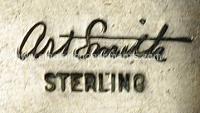
New York. Born in Cuba in 1917. He was of Jamaican heritage.
When he was very young he liked to draw more than most children
his age. He was encouraged by his mother and sister. None of
his other family members of friends thought it wise of him to
think he could become an artist. There were very few art
schools that encouraged blacks at that time and Smith was not
from a wealthy family. Art found about an art school called the
Copper Union. He achieved a scholarship to attend the school.
While working part time at the Children's Aid Society in Harlem,
he met an art teacher named Winifred Mason who was making
jewelry. He worked with her four about four years at a shop in
Greenwich Village, NY. In 1948 Smith opened his permanent
studio. He worked in brass and copper as well as sterling
silver, some with stones. His pieces are primitive and
biomorphic. He hand produced every element right down to the
connectors and other findings. Smith designed pieces for many
dance troupes. These were usually oversized pieces. He is one of
the most highly regarded artists of his time. His shop closed in
1979 and he passed away in 1982.
Read
From the Village to Vogue Article
Back to top |
 |
|
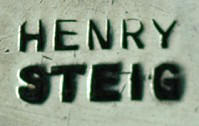
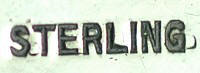
Henry Steig |
|
|
1950s to 1970s New York and Provincetown Mass
on Cape Cod. Constructivist. Although trained in art and
sculpture, he was mostly self taught as a silversmith.
Back to top
|
 |
 Europeen and Other Designers Europeen and Other Designers
|
David Andersen
|
|
|
Founder (s): David Andersen, Oslo,
Norway in 1876. -The founder died in 1901. At that time his son Arthur
Andersen took over the helm. Several family members joined the retailer and
manufacturer of silver jewelry plus other items throughout the years.
Several well known Norwegian designers worked for the company. The designers
names are not always found on the finished piece. The well known enameled
pieces began being produced in the early part of the twentieth century.
Signature Designs: Sterling leaf designs with colored enamel.
Back to top
|
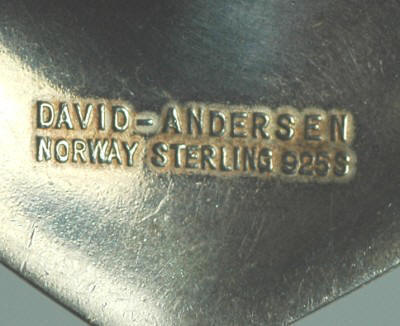
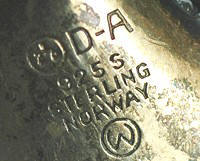
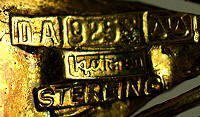
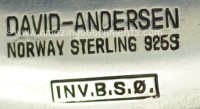
David Andersen Mark with
Designer/Artist Willie Winnaess
David Andersen Mark with
Designer/ Artist Karl Jorgen Otteren
David Andersen with Designer/Artist Bjorn Sigurd Ostern
- active 1961- 1985 |
|
Robert Arthur |
|
Glasgow, Scotland
|
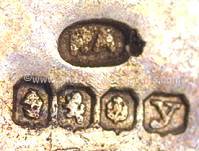 |
|
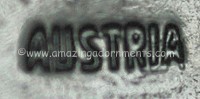
Austria |
|
|
|
 |
|
Jakob Bengel
|
|
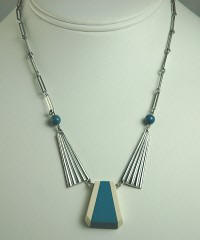
| Founder/Owner: Jakob
Bengel 1873 Idar- Oberstein, Germany ~ Watch Chain Manufacturing
- German Art Deco at it's absolute best.
It is very difficult to believe that at one
time this company
was obscure. The pieces were unsigned and if not for a chance
discovery of a sample book we may not have ever known who
created this fabulous German Art Deco costume jewelry. Jakob
Bengal is now being hailed and deservedly so, as the “pioneer
of Art Deco jewelry design”. Add to that the
introduction of the forerunner to Bakelite;
Galalith and the “remove the barriers”,
“form follows function”
Bauhaus style. Bauhaus was an art movement in Germany that
had its heyday around the same period as Art Deco. The
principles are the similar in that both movements sprouted in a
period of confluence of social, political, educational and
artistic change and upheaval. In additional there was a tiring
of the flourished style that proceeded as it relates to the
upheavals. Art Deco is really a design style within Bauhaus.
It celebrated the
Machine Age. Signature
Designs: Galalith, chrome, geometric designs. Colorful
collar necklaces, brass and nickel.
Back to top |
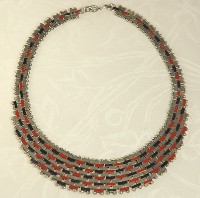
Similar necklaces can
be seen in Christianne Weber’s book Art Deco Jewelry-
Jakob Bengel, Idar- Oberstein, Germany.
|
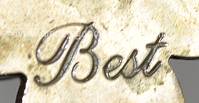
| Best |
|
According to the RCJ (Researching
Costume Jewelry) website, this is a mark found on contemporary
imported costume jewelry from China.
Back to top
|
 |
|
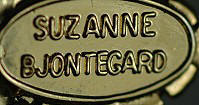
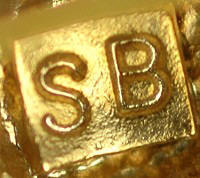
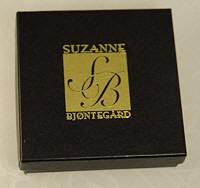
Suzanne Bjontegard |
|
|
Bjontegard Trading Company, also known as
Suzi B. is known for being a top presenter on QVC in England.
She is also known for her wonderfully creative costume jewelry
made with high quality rhinestones. Beginning in the mid 1990s
Suzanne began to design costume jewelry that really appealed to
sophisticated European tastes. She quickly became one of the
most sought after designers in the industry. Launched a chain of
boutiques in San Diego California called the PowdeRoom that
carries her creations and those of other trendy designers. Some
of her fabulous costume jewelry was recently featured in the new
book by Ann Pitman Inside the Jewelry Box Vol. 2.
Back to top
Auguste Bonaz |
|
France
Back to top
|
 |
|
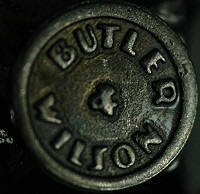
Butler and Wilson |
|
England
Back to top
|
 |
|
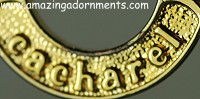
Cacharel |
|
France. Founded by: Jean
Louis Henri Bousquet in 1964. He was surrounded by fashion ever
since he was a young child as his father was a sewing machine
salesperson. Jean Louis also studied tailoring. Known for
perfume and the blouse that changed blouses in the mid 1960s. He
also did a short stint in jail during the early 1990s having
been convicted of corruption when he was mayor of Nimes. What a
surprise! Kate Moss was one of his models. Gisele Bundchen is
now the face of Cacheral Perfumes. The jewelry line began in
2004.
Has current website.
Back to top
|
 |
|
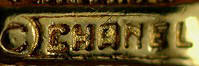
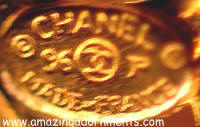
Chanel |
|
| Early 1900s [I have seen 1912
and 1914] - Present- France - Prior to her first jewelry
showing Coco Chanel was already a famous couture designer. Some
Chanel designers include: Robert Goossens, Gripoix, Rousselet,
Desrues, Filco di Verdura and Etienne de Beaumont. Some of the
earlier jewelry and some of the recent jewelry was/is not
signed.
Back to top
|
 |
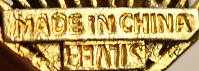
| China |
|
| Early jewelry made in China that found
its way to the States was mostly silver, some with enamel. Most
of it was either imported or brought over by Chinese immigrants
or tourists during the 1880s to the 1930s. There were no imports
after WWII. Trade did not resume until 1973 and then only in a
small way. Known for their beautiful Peking glass, filigree,
metalwork and enameling. Many current designers from the world
over now have their designs made in China.
Back to top |
 |
|
Continental Jewellrey |
|
| 1940s - 1977. Founded by Sol Mayoff and
Sam Baker. Canada~ Well thought of company that produced high
quality rhinestone pieces. Their pieces are often compared to
the greats such as Sherman, They became one of Canada's largest
manufacturers. The company was sold to a Far East interest in
1977.
Back to top |
 |
|
Cony/Victoria |
|
Taxco, Mexico - Ana Maria Nunez de
Brilanti- Originally lived in Mexico City. I read that she had a
shop that opened in the 1930s. She and her family moved to Taxco
where with the support of other artists such as Margot de Taxco,
she opened her shop "Victoria" in 1940. This shop was known for
work in silver and copper. Victoria closes in 1978. In 1953 she
helped her daughter open a shop called "Cony". I have also seen
the date 1958 for when the "Cony" shop opened. All of the silver
sold here was actually from the Victoria workshop. The pieces
spanned many styles with an eye towards presentation. She was
known to have excellent technical skills.
Back to top
|
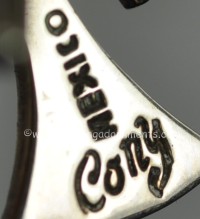
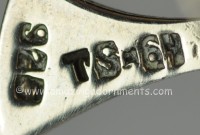
Pieces were marked
Victoria/Cony from about 1958- 1975.
Marked Cony only after
1975. |
|
Coppola e Toppo
|
|
|
Founder (s): Lyda Toppo and Bruno
Coppola Milan Italy ~1941 - 1986-This brother and sister team designed
jewelry for some of the most famous fashion houses including Christian Dior,
Valentino and
Schiaparelli. Their jewelry has adorned many models on the catwalk as
well as countless Hollywood stars. The early pieces of the 1940s used a mark
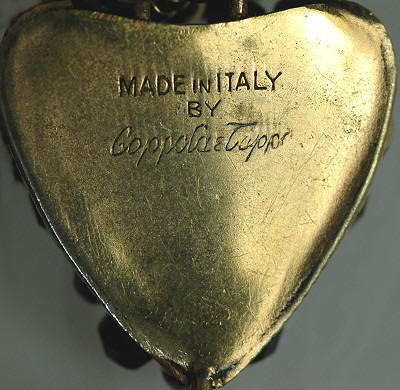
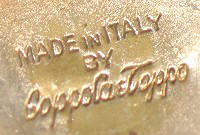
that was named after Lyda's dog "Mikey". During the 1950s this hallmark
changes to the "Made in Italy by Coppola e Toppo" mark. The bold and very
elaborate designs were a departure in style for the times and soon gained a
following outside of the couture world. Soon the extravagant costume jewelry
was being sold at the finest stores such as Neiman Marcus in the United
States. In 1972 the company is taken over by a large Italian company and
continues production until 1986. Jewelry by Coppola e Toppo is sought after,
highly collectable and very expensive. At a recent [April 1, 2006] auction
at Doyle New York a collar and two bracelet suite sold for a cool $11,400!
Techniques/materials:
Elaborate beaded designs multi-strand necklaces and bracelets. Sometimes
over-the-top looks. Swarovski crystals, Murano glass, plastic beads,
signature heart shaped clasp.
Back to top
|
 |
|
Zoe Coste |
|
|
|
 |
|
Christian Dior |
|
|
Founder (s): Christian Dior, France
1948 - Present- Christian Dior was born in 1905 in Normandy, France. He
moved to Paris at the age of ten. His couture career began in 1935. Dior
worked for some of the best including Lucien Lelong. In 1946 Christian Dior
opened his own couture house. Dior is credited with reviving the fashion
scene in post WWII Paris. Dior launched his first clothing line in 1947. The
"New Look" fashions he designed were a far cry from the military attire and
the severe suits that proceeded his more feminine look. He went on to become
one of the most important clothing designers of our time. Dior is another
fashion designer that made a mark in the costume jewelry business. Like
Chanel,
Schiaparelli and others he liked to accessorize his fashions. He was
known to like very high quality jewelry, most of which was signed and
sometimes dated. It is believed that Dior designed the jewelry,
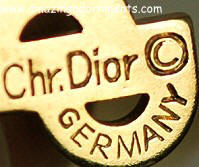
however it was manufactured by others such as Henkel and Grosse of Germany
and Schreiner. Dior is credited with being the first designer to use aurora
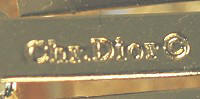
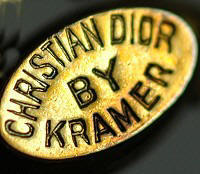
borealis coated rhinestones. In the 1950s the Dior name was licensed to
Kramer of New York. Kramer produced jewels for Dior and was allowed via this
agreement to use the Dior name. Yves St. Laurent was apprentice at Dior and
when Mr. Dior died in 1957, Laurent ran the house for a time. Kramer of NY
now handles the extensive Dior product line. Signature Designs:
Beautiful jewelry featuring aurora borealis rhinestones.
Back to top
Courreges
|
 |
|
Paris France - Known for his uncultured clothing, space age
boxy, geometric designs during the 1960s and mostly for
introducing the mini skirt to Paris.
Back
to top
|
 |
|
Czech Un-plated
Jewelry |
|
Found on jewelry most likely made in Czechoslovakia that is un
plated on the back. Some think this is a way to make this newer
jewelry appear older than it is.
Back to top
|
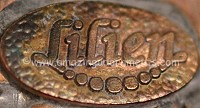
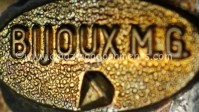
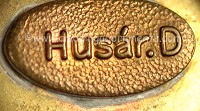 |
| Depose |
|
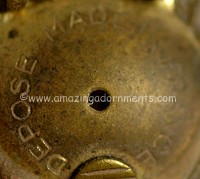
Means patented. Used in France, Germany and
other European countries.
Back to top
|
 |
|
|
|
|
D'Orlan |
|
Canada - It is believed this company began
in the early 1960s and that it is still in business. In 2006 it
was purchased by Creed Canada. A New York concern might also
have had or has ownership now or at one time. The pieces were
made with a variety of materials including rhinestones, faux
pearls and enamel. They are not abundant on the secondary
market.
Back to top
|
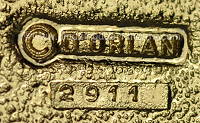
Some of the marks did not
include the item number and/or the apostrophe after the "D". |
|
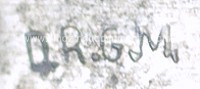
DRGM |
|
This the German mark for patent. It was
used ca. 1891 to perhaps WWII. The latter date could be as late
as the 1950s. The mark was found on jewelry an other items and
it was used by several producers.
Back to top
|
 |
|
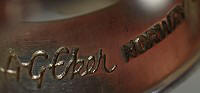
Anna Greta Eker |
|
|
Norway - Born in Finland. Worked at the PLUS
workshop that was managed by her husband Erling Christophersen.
Back to top
|
 |
|
England |
|
| This jewelry is usually bone
china and marked in several ways. Most are floral designs.
Signature Designs/Techniques:
Pretty and delicate floral designs.
Back to top
|
Hallmarks:
Staffordshire Made in England,
Adderley Made in England and Made in England |
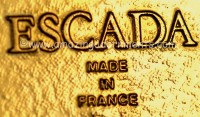
| Escada |
|
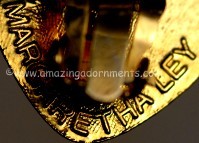
Germany, 1978. Wolfgang and Margaretha
Ley. Mrs. Ley was a former model at Fath. She was the head
designer at Escada. In addition to producing costume jewelry,
the company produces fine jewelry and clothing as well as
accessories.
Back to top
|
 |
|
Fahrner
|
|
|
Founder (s): Theodor
Fahrner Sr. and Georg Seeger- Pforzheim Germany ~ Mid 1850s - 1979 [I
have also come across a 1960s date for the closure of this company]. Fahrner
jewelry spans many design styles as the above dates would indicate. This
very successful company began in the 1855 by Theodor's father. Theodor Jr.
took over in about 1883. At about this time the firm expanded from their
original product line of rings and into a wider range of jewelry. Fahrner
worked with many of the areas designers and artists some of whom had careers
in other areas of the arts such as painting and sculpting. He also had
several permanent designers on staff. The end result was a great variety of
work and many artistic styles. In 1900 at the Paris World's Fair, Fahrner
jewelry designed by Max Gragl won an award. In 1901 the company begins
to export jewelry to Great Britain. Theodor Fahrner dies in 1919 and the
company is sold to Gustave Braendle who changes the name to Gustave Braendle-
Theodor Fahrner Nachf. and continues producing the fabulous jewelry they
were known for. Early on and up to the 1920s Fahrner was best known for Arts
and Crafts and Art Nouveau styles that often incorporated semi precious
stones and marcasites. The company was also known for Celtic Revival
jewelry. After the 1920s and into the 1930s, the pieces became more
geometric reflecting the Art Deco period. The use of filigree was
introduced. During WWII, the firm was bombed and destroyed. All archives
were lost. Braendle rebuilds his business along with his son [he had two
others that were killed during the war] Herbert. Gustave Braendle dies
in 1952. Herbert continues producing jewelry until his death in 1979.
Techniques/materials:
Daring designs. Silver [sometimes gold] set with semi- precious stones.
Jugendstil
styling. Matte enamel, white enamel, marcasites. Arts & Crafts and Art
Deco looks. Geometric looks. Filigree and iron.
Back to top
|
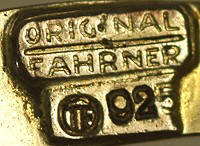
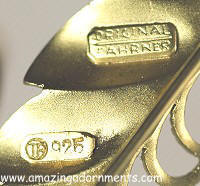
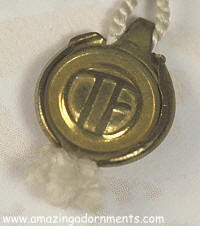
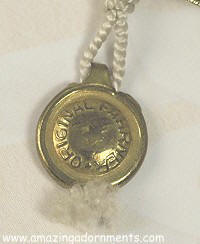
The "TF" trademark was first used in
1901
"Fahrner Schmuck" trademark was
first used on 1910
DEA Schmuck and "TF Germany" |
|
N. E. From -
Niels Erik From
|
|
Demark. Smithy registered in Nakskov in
1944, although he had a shop as early as 1931. Known for soft
floral pieces, some with stones and pieces with a modernist
look. Well made, solid pieces. During the 1960s 1970s a large
amount of the jewelry was exported around the world.
Back to top
|
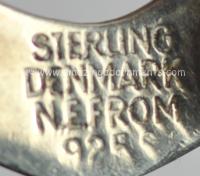 |
|
Rachel Gera |
|
Israel ~ Painter
as well as jewelry designer. Mixes Oriental and European styles
to create bold and creative high end jewelry worn by many
celebrities.
Back to top
|
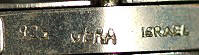
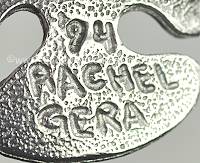 |
|
Givenchy
|
|
|
Founder (s): Hubert James
Taffin de Givenchy ~ France 1952 to Present- Givenchy was raised by his
grandmother after his father died. His grandmother was an artist and one can
speculate that this had a lot to do with Hubert's choice of profession.
Givenchy studied at the Ecole de Beaux Arts while working for Jacques Fath,
another famous Parisian fashion designer. He worked for other designers
including Lucien Lelong before joining
Schiaparelli in 1950. In 1952,
Hubert opened his own fashion house. He went on to create some very
innovative fashions and accessories. He has dressed some of the very rich
and famous, including Jacqueline Kennedy Onassis and Audrey Hepburn. I don't
think it gets classier than that! The costume jewelry from Givenchy is
of very good to excellent quality and very collectable these days.
Techniques/materials:
Heavy silver and
gold plated pieces, enamel and rhinestones. Used some plastics and faux
pearls.
Back to top
|
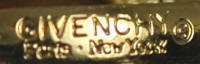 |
|
Michal Golan |
|
|
Israel. Now resides in New York - Known for
use of brilliant colors for her handcrafted jewelry. She also
uses semi- precious gemstones, fresh water pearls and 24k gold
electroplating over brass. Middle eastern and Byzantine
influences. many pieces look like mosaics. Along with jewelry
she produces trinket boxes, ceramic art and more.
Back to top
|
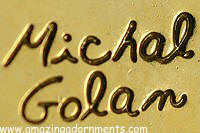
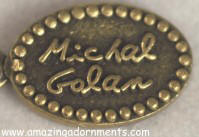
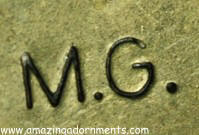
|
|
Robert Goossens |
|
|
France- high end couture jewelry that is
well received. He was thought to be one of the top artists
during costume jewelry's hey day! He produced pieces, sometimes
perfume bottles for so many couture houses including;
Chanel, Dior,
YSL, Boinet, Mulger and
more. He was from a family of casters giving him the opportunity
to see how jewelry was created from a young age. The workshop
has been directed by his son since the late 1970s. Goossens once
controlled the YSL jewelry licenses. Highly designed metal,
Byzantine barbarian style [Chanel]. Back
to top |
|
|
Henkel and
Grossé |
|
|
Founder (s): Heinrich Henkel and Florentin
Grossé ~ Germany. The early work was in plastic and metal while
later work incorporated crystals and rhinestones. Did work for
Schiaparelli, Lanvin and Christian Dior.
Back to top
|
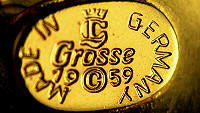 |
|
Gucci |
|
|
Italy. The House of Gucci has a long history. Founded in 1921 by
Guccio Gucci. Makers of high end leather goods, high end
clothing and accessories. He had a large family and after his
death in 1953, one of his sons Aldo took control. Despite many
disputes between the brothers on how to position the company
going forward, they managed to open their first New York store,
expand into Asia and create their now famous signature GG logo.
They also created a handbag called the Jackie O for former First
Lady Jacqueline Kennedy. All of their success did not stop the
fighting. Bad business decisions were also made, almost ruining
the brand. In the late 1980s things turned around and by 1988
they were named European Company of the Year. More problems
arose in the early 1990s and the company was again near
bankruptcy. During the late 1990s a luxury goods
conglomerate/holding company LVMH [Louis Vuitton, Moet,
Hennessey] increased shares in the company. Currently a
subsidiary of Pinault-Printemps-Redoutte.
Back to top |
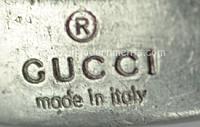 |
|
Hans Hansen |
|
Kolding Denmark - 1906. Jewelry production began in about 1932
although Hans Hansen was designing since 1931. The 1932
collection was designed by his son, Karl Gustav Hansen. Prior to
this, flatware and hollowware was produced. Other designers
that produced for the workshop include: Bent Knudsen and during
the 1980s, Allan Scharff. In 1992 this company became part of
the Georg Jensen company.
Back to top
|
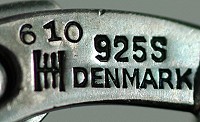 |
|
JayFlex Sterling |
|
|
Canada - ca. 1950s
Back to top
|
 |
|
Jørgen Jensen |
|
|
Denmark
Back to top
|
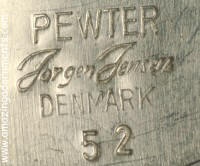 |
|
Kupittaan Kulta |
|
Finland - Elis Kauppi, chief designer and others in 1945. One of
Finland's foremost manufactures of silver jewelry.
Back to top
|
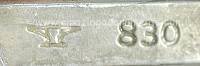
 |
|
Christian Lacroix |
|
France. Late 1980s to present.
High end designer to many stars including Christina Aguilera.
Known for innovation , irregular shapes, use of color and
several design techniques on the same piece. Lacroix studied art
history and wanted to be a museum curator. We are lucky that he
happened upon fashion and later jewelry! Worked at Hermes and
Patou. Has current website.
Back to top
|
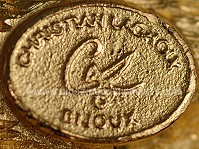 |
|
Graziella Laffi |
|
Active during the 1950s - Peru - She was actually born in
Florence, Italy. Ms. Laffi has been called the Spratling of
Peru. Some have said her work is right up there with the Mexican
masters of her day. She worked in sterling and some gold. Some
pieces are beautifully enameled. Some pieces have a modernist
look. Also known for pre- Colombian and Cubist designs as well
as striking figurals. Back
to top
|
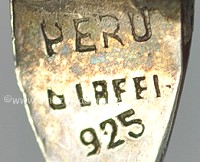 |
|
Karl Lagerfeld |
|
|
Born in Germany emigrated to France where he
apprenticed with Balmain. Worked with many couture houses most
notably Chanel. Maintained a line of couture clothing and
jewelry that bore his hallmark.
He is often controversial and considered on
the best haute couturiers. He was not afraid to design a line
for the Swedish company H&M [a discount chain] in 2004 and he
was rewarded by having the line sell out in less than three days
after release.
Back to top
|
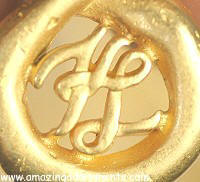 |
|
lanangi |
|
Anni Lang , Germany ~ Known for high end
glass necklaces. Designed for Louis Féraud, Paris in the 1970s.
Back to top
|
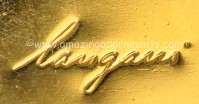 |
|
Lanvin |
|
|
1889 Paris by Jean- Marie Lanvin ~ Haute Couture fashions,
men's fashion, perfume and jewelry. Founded the oldest couture
house in Paris. After her death, her daughter ran the company.
During the 1990s the company focused on ready- to wear,
accessories and perfume.
Back to top |
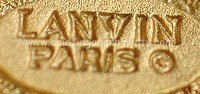 |
|
Lapponia |
|
Finland ~ to current day.
Several artists produced jewelry at this workshop including Bjorn
Weckstrom. He was a graduate of the Goldsmith School. Many of
his designs have been award winners. Many, if not all of the
pieces were unconventional in design. The gold nugget and
crinkled silver pieces become well known as did the Kinetic and
sterling and acrylic Space pieces. In 1972, one of the Space
rings was worn on the Dick Cavett show by Yoko Ono and created a
sensation. A necklace called either Planetoid or Planetary
Valley (I have seen if referred to both ways) was worn by Carrie
Fisher as Princess Leia in Star Wars in 1977.
Back to top
|
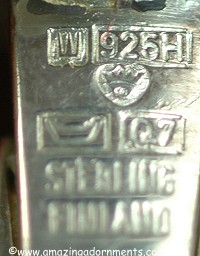 |
|
Guy Laroche |
Bjorn Weckstrom Hallmark from 1969. |
Paris ~ Born in LaRochelle France in 1921. Opened first fashion
house in 1957 after visiting the USA to learn about
manufacturing "Ready-to- Wear clothing. Maker of the popular
Drakkar Noir line of toiletries for men. Has won awards for his
fabulous female friendly designs.
Known for his attention to fine, fine detail
work. His line including jewelry continues even after his death.
Has current [2008] website.
Back to top
|
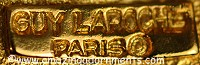
 |
|
Limoges |
|
France. Limoges in a city in France where
many factories produced fine porcelain pieces. The area is also
known for producing oak barrels for Cognac and enamels. A white
clay called
Kaolin was discovered in the area in 1768. This clay was used to
make the famous porcelain.
Back to top
|
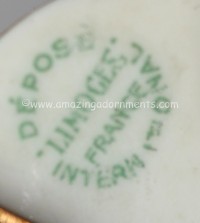 |
|
|
|
|
Occupied Japan, Made in Occupied Japan and Japan |
|
|
Japan was occupied by the Allies at the end of WWII from 1945-
1952. Items made during this period were usually marked
Occupied Japan or Made in Occupied Japan. These
items were usually for export.
Pieces marked Japan were usually made prior to or after
this time frame.
Back to top |
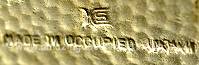 |
|
Margot de Taxco |
|
Born as Margot van Voorhies Carr. She lived in San Francisco
before moving to Mexico in the late 1930s. She was married
several times including her marriage to Antonio Castillo. She
opened her shop and taller in 1948. At that time she worked in
silver, adding her much sought after enamel pieces during the
mid 1950s. Several important silversmiths worked at the taller
including Miquel Melendez and Sigi Pineda. A host of enamellists
also worked there. All of the pieces produced were designed by
her. Her pieces include a design number and according to the
book Mexican Silver
by Morrill and Beck, the earliest was 5100 and the last 5790.
Her enamel pieces ranged in design numbers from 5109 - 5922.
During the 1970s the shop eventfully went bankrupt due to union
issues. Margot died in 1983. Well known for her enamel pieces
and her famous zodiac pieces.
Back to top
|
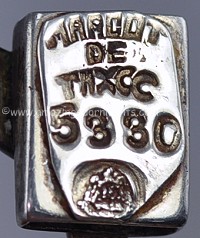
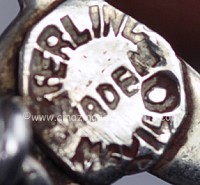
Both above marks found on
sterling piece without enamel
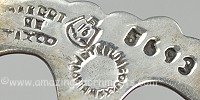
Found on enamel piece. |
|
|
|
|
Mizpah |
|
England-The word means "watch tower" or to"
look out". Jewelry signifying an emotional bond between people
that are separated.
We
have seen several references to this company now being part of
the company that produces Miracle jewelry.
Back to top
|
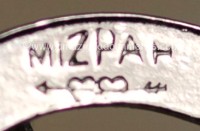 |
|
|
|
|
TLM |
|
1870s- Thomas L Mott - England. Known for,
butterfly wing jewelry, genre scenes, portrait brooches, island
map charms and other island influenced figurals. Mr. Mott is
credited with making the butterfly wing pieces popular during
the 1920s. A real craze developed after a collection of these
pieces were shown at the 1924 British Exposition. The island
jewelry was made during the 1960s and 1970s.
Back to top
|
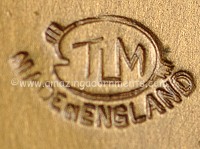 |
|
Hans Myhre |
|
|
Oslo, Norway
Back to top
|
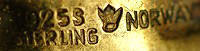
Also used an anchor mark |
|
Michal Negrin |
|
Israel. Launched first collection in 1988
at Tel Avis's Open Air Marketplace. Her first shop was opened
soon thereafter. In 1996 a factory studio was established.
Negrin stores can be found all over the world. Her jewelry is
inspired by vintage and antique pieces. She often blends styles.
Her pieces use high end Swarovski crystals in fabulous colors.
Also designs accessories and clothing. Has current website.
Some new pieces are being sold on QVC.
Back to top
|
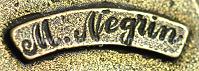
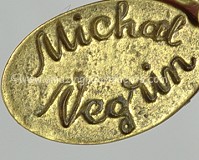
 |
|
ORNO |
|
Modernist jeweler from Poland.
Back to top
|
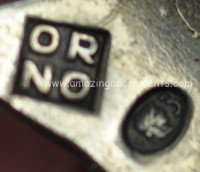 |
|
Sylvestre De Passille |
|
Quebec, 1960s- 1970s. Canada- Husband and wife team, Micheline
de Passille and Yves Sylvestre. They are known for hand enameled
modernist pieces on white and gold base metal, on sterling and
on copper. Very colorful pieces. They are highly sought after by
collectors.
Back to top
|
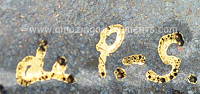
One hallmark. They signed full
name on some pieces.

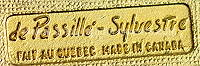 |
|
Antonio Pineda |
|
First shop opened in 1941, Mexico. In 1944
some of his work was shown at the Palace of the Legion of Honor
in San Francisco. The expo was international and the attendees
took note of his work. In 1956 he expanded his operation. He
established a museum in Taxco in the late 1980s where modern
Mexican silver was displayed. His pieces are usually without
North American or European influences. He preferred pre-
Columbian designs.
Back to top
|
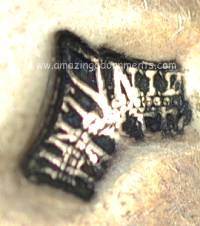
Antonio Pineda within a crown |
|
Sigi Pineda |
|
Mexico 1952- Began his apprenticeship at the age of ten. He
worked for Los Castillo for about three years. In 1950 he went
to work for Margo de Taxco. At 23 he opened his own shop. His
work has been exhibited in New York and at the Smithsonian.
Back to top
|
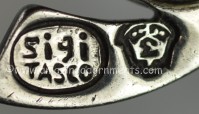 |
|
Nina Ricci |
|
|
Italian born - moved to France
Back to top |
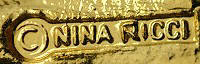 |
|
Rousseau |
|
|
France.
Back to top
|
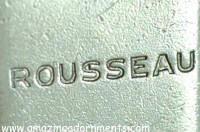 |
|
Rousselet
|
|
|
Founder (s): Louis Rousselet Early
1920s ~ France ~ Louis Rousselet is thought to be one of the premier bead
makers of the 20th century. He learned his craft early in Paris and soon he
began to produce handmade beads of very high quality at his own company. His
beads and faux pearls were soon noticed by the stars of the day including
Josephine Baker and the fashion conscious French ladies as well. The company
naturally grew and soon became on of the largest worldwide supplier of
handmade beads. Rousselet produced opulent glass beads, beads made out of
Galalith, simulated pearls. The shapes were interesting and the combinations
unusual. Some of the jewelry was marked with only a paper hang tag so it is
possible to find unsigned Rousselet costume jewelry. Rousselet earrings have
a different clip than we are used to seeing. It looks more like the finding
found on a scarf clip than on an earring. See right. Signature
Designs/Techniques:
Handmade glass beads, Galalith beads, fusing, bakelite, simulated
pearls.
Back to top
Rozen |
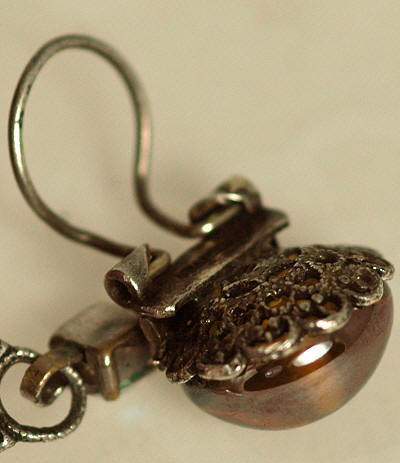
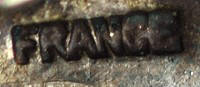 |
Israel.
Back to top
|
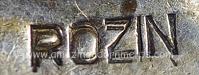
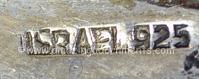 |
|
|
|
|
Kultaseppä Salovaara |
|
Finland~ Founded during the early part of
the 1950s. In 1970 the named was changed to
Kultaseppä Salovaara KY. Ownership and name changed
again several times after 1988. Back
to top
|

This hallmark is a polar bear
with the word sterling.
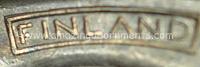 |
|
Roger Scémama |
|
|
Founded in 1922 Paris. Roger Scémama was
born in Tunis. In 1922 he found himself in Paris where he sold
buttons to the ready to wear buyers. He then began making
costume jewelry in leather. His wife was also involved and has
been credited with driving the line, therefore creating the
Scémama brand. She designed belts for
YSL as well as the heart jewelry YSL
was known for. During the 1930s, Scémama created costume jewelry
for
Schiaparelli.
During the 1940s he became a prisoner of war until 1945. Once
released, he worked with Jacques Fath. He also created jewelry
for
Dior
in the1940s and some say these pieces further pushed his
popularity. During the 1950s he worked with other names you know
such as, Lanvin and
Givenchy. His
work with Yves Saint Laurent began in the 1960s. He worked with
many materials including metal, leather, stones, Galalith and
rhinestones. Themes ranged from opulent inspired by old jewels
to natural. Many of his pieces can be found in pink, violet and
green. He closed his Paris house in 1979 and died in 1989.
Back to top |
|
|
Schiaparelli
|
|
| Owner: Elsa
Schiaparelli ~ Paris, France 1930s - Elsa Schiaparelli like her
competitor Coco
Chanel was a fashion designer. She began her fashion career
designing sweaters. Elsa was born in Rome, Italy in 1890. She
moved to New York City to become a scriptwriter. Elsa loved
fashion and the arts so by the time she moved to Paris in the
1920s she was more than ready to take on the world of high
fashion. But not so fast, first she designed fine jewelry and
then she opened her own couture house shortly thereafter. Again,
like Chanel she wanted jewelry to complete her fashion designs
and to wear. Schiaparelli was heavily influenced by the
Surrealist Movement. One can see this in her fashions and
her jewelry from this period. Quirky and sometimes downright
bizarre, she was not afraid to do things differently. When a
black dress was the uniform of the day, Elsa introduced
Shocking
Pink, which went on to become her signature color. Her "Shocking"
line also included perfume and other cosmetics. Aside from
introducing bold color into fashion, some of her other
innovations include; large shoulder pads in woman's suits and
offering ready to wear clothing. Elsa Schiaparelli moved back
to New York City prior to the start of WWII and back to Paris at
the end of the war. In 1949 she licensed DeRosa to make her
jewelry. Elsa also set up a retail shop in New York. She sold
her Paris couture operation in 1954. The exact date that
production stops is unknown, however the Schiaparelli name is
still being used due to licensing agreements. Schiap jewels are
not easy to find and they are pricey!! Other Schiaparelli
designers include: Max Boinet, Lina Baretti, Jean Cocteau
amongst others.
HINT:
Early French pieces were not signed. Sometimes the necklace and
earrings in a set are marked differently. There are many fakes
on the market. These can be spotted by looking at the signature.
The first "I" in last her name is missing.
Materials, techniques and signature looks: Shocking Pink!
Unusual designs, stylized floras, chunky and irregular shaped
stones.
Back to top |
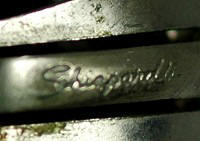 |
|
Scholtz and Lammel |
|
Idar Oberstein, Germany- Matte Cloisonné
Enamels. It was once thought that this hallmark belonged to Karl
Schibensky. Please read
this article by Ginger Moro, author of
European Designer Jewelry.
Back to top
|
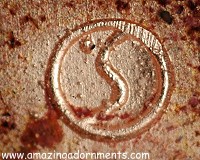 |
|
|
|
|
Thor Selzer |
|
Demark 1957. Modernist. Trained as a
goldsmith. Opened workshop in 1957. He has designed pieces for
Georg Jensen and his work can be found in the Danish Museum of
Decorative Arts.
Back to top
|
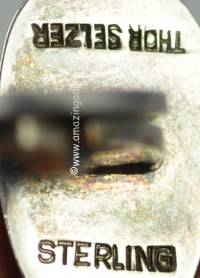 |
|
Yves Saint Laurent |
|
|
France - 1960s- Present ~ Very highly regarded
designer and creator of modern elegance, he was a man of many
firsts. He was the first to make "ready- to -wear popular and
desired. He was the first to use African American models. He was
the first fashion designer to be recognized by the Metropolitan
Museum of Art . Much of his [if not all] of his costume jewelry
was made by some other designer. Some of this jewelry was
created by Claude Lalanne, Roger Scémama,
Robert Goossens,
Maison Caillol, Michèle
Baschet, Mason Denez, Martine Boutron and Maison Gripoix. There
were probably others. Given this group you can guess that the
jewelry all had a unique style depending on the designer and the
purpose of the piece. One thing the pieces have in common is
their quality.
Back to top |
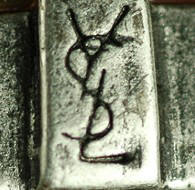 |
|
|
|
|
Sherman
|
|
|
Founder [s]: Gustave Sherman, Canada
1947 -1981? Gustave Sherman was a self-made jewelry designer. He worked as a
jewelry salesperson and as such grew to like his product. It probably took a
lot of guts, since he was not trained as many of the day were, but he opened
the Sherman Jewelry Company in Montreal in 1947 anyway. The rest as they say
is history! In my very humble opinion, being a jewelry salesperson probably
helped Mr. Sherman. After all, he knew what people were buying. All he
had to do was make the items his clients were buying better! His company
really took off in the 1950s and soon he became Canada's foremost jewelry
designer. He was known for pieces or extremely high quality that rivaled the
real thing. He used only the finest
Swarovski
crystals/rhinestones even if he had to pay more for them. The Swarovski
company also made stones on demand for Sherman. Sherman vintage costume
jewelry is not easy to come by. It was expensive when it was made and it is
expensive now. You can imagine that his production costs must have been very
high so it is only natural that the finished pieces would be pricey. The
jewels sold in some department stores, but the more elaborate designs were
sold in small shops or boutiques. In the 1970s, when the trend was towards
silver and gold- tone jewelry and jewelry of lesser quality, Sherman
continued to make high quality, high end jewelry. As you can imagine this
refusal to concede cost him business. Gustave made another bold move. He
decided to make high quality gemstone jewelry set in precious metals. As
luck [bad in this case] would have it, the price of gold went through the
roof. As a result the company was forced to close. Sherman jewelry is highly
collectable. The
japanned
pieces and the pieces with purple, red, black and yellow stones are
especially sought out. Fuchsia is also a color collectors like. The prices
for this vintage jewelry continues to rise. I can see why. Once you own a
piece of his wonderful costume jewelry, you will want more! Signature
Designs and Techniques:
The highest quality Swarovski crystals and stones, multicolored
rhinestones. Prong set stones. Gold-plated and Rhodium backings along with
Japanned backings. Monochromatic color combinations as well as unusual
combinations. Pastel shades. Navettes/marquise cut stones were used quite a
bit.
Back to top
|
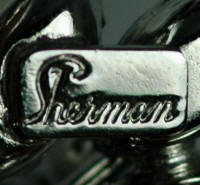
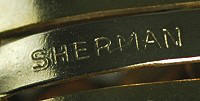
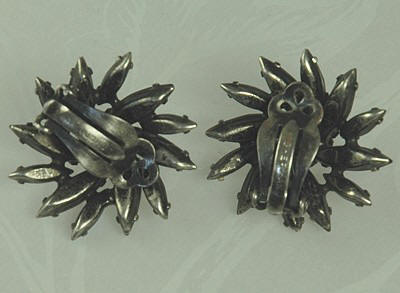 Example
of the Japanned Backing Example
of the Japanned Backing
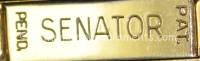
This is a Sherman Hallmark found on men's jewelry. |
|
Lea Stein |
|
|
France, Mid 1950s- 1980. Closed her shop in 1980 and reopened it
in the late 1980s- early 1990s. Known for delightful plastic
jewelry produced with a process called laminated Celluloid
developed by her husband. Several sheets of celluloid were
sandwiched together to produce the colorful patterns seen her
jewelry. The pieces are widely collected. Two of the more famous
are; the Joan Collins and Ric the dog pins. Older pieces do not
have a rivet holding the pin assembly to the plastic.
Back to top |
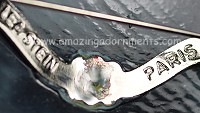 |
|
Sten & Laine |
|
Turku, Finland
Back to top
|
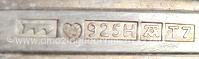 |
|
Swarovski |
|
|
Founder (s): Daniel Swarovski, Franz
Weis and Armand Kosmann - Wattens Austria ~ 1895 Daniel was born in 1862
into a family that knew a lot about cutting glass/crystal. Bohemia was the
center of the crystal universe and cutting crystal was his fathers
profession. In 1892 Daniel was able to attain a patent for a machine that
would cut crystal fast and with precision. The machine produced crystals
that were beautifully faceted and "real" looking. They were so lovely
that it did not take long before Swarovski became the leading supplier of
crystals to not only Austria but beyond! Many costume jewelry
designers use Swarovski crystals and rhinestones. Some such as Gustave
Sherman had the company produce one of a kind stones for their creations.
Swarovski also produced optical products and grinding tools. In 1955 the
company, along with
Christian Dior, developed the aurora borealis coating. A plant was
opened in Providence R.I., USA in the 1970s. I believe it is closing
or has closed. In 1977 Swarovski began to produce costume jewelry. Their
line "Silver Crystal" figurines are quite popular.
Signature Designs/Techniques:
The finest cut crystal and rhinestones.
Back to top
|
Other Hallmarks:
S.A.L.
Edelweiss Mark
SAWY
|
|
Triad |
|
Canada Back
to top
|
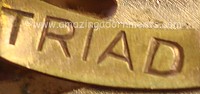 |
|
Tone Vigeland |
|
|
Norway - 1938 born in Oslo. Apprenticed at the
PLUS workshop along with
Anna Greta Eker. Ms. Vigeland is considered once of Norway's
finest artists. She has produced works in sterling, gold and
even steel. Her work is often called simple and streamlined. It
is elegant and many are in the modernist style. Her work was
exhibited in London and later New York creating a sensation.
Back to top
Perli Werkstatt |
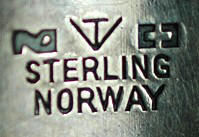 |
|
1922 Swäbisch Gmünd, Germany. Known for
great metal work, hammered silver and handcrafted enamels.
Jewelry was shown at the Paris Expo in 1937. According to Ginger
Moro's book European Designer
Jewelry, the company closed in 1993.
Back to top |
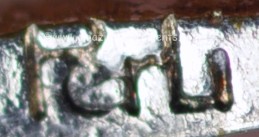 |
|
|
|
|
Butler & Wilson |
|
1970s- current on QVC. Founded in England. Nicky Butler and
Simon Wilson. Their early pieces were reproductions or inspired
by vintage and antique pieces. By 1990 they expanded to handbags
and accessories. In 1994 the company began selling on QVC.Semi
precious jewels were introduced in 2000 and in 2007 men's
jewelry was added to their collections. The pieces are often
large, unique and made with interesting high quality stones.
Have current website.
Back to top
|
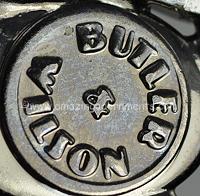 |
|
Marcin Zaremski |
|
|
Poland. Studied interior design at the
Academy of Arts in Warsaw. Grew up in parents [Jerzy and
Jadwiga] studio where he was around jewelry making all the time.
His parents are considered pioneers of modernist jewelry in
Poland. Marcin is known for clean and constructivist. He works
in silver, copper, gold plated metal and amber.
1974 -Began creating
jewelry and in 1991 opened a gallery. He has several now and a
current website.
Back to top |
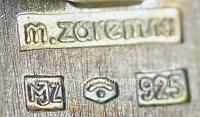 |
|
|
|
|
|
|
Mystery Marks
Back
to top
|
Other
Jewelry Resources on this Site: |
Back
to top
|
Sources for information
found on this site
|
|
| |
I recommend all of these sites and books for research! |
| |
|
| American Jewelry
Manufactures |
Dorothy Rainwater |
| Unsigned Beauties of
Costume Jewelry |
Marcia Brown |
| Signed Beauties of Costume
Jewelry Vol. 1 |
Marcia Brown |
| Collectable Silver Jewelry |
Fred Rezazadeh |
| Inside the Jewelry Box Vol.
1 ,2 and 3 |
Ann Pitman |
| Collecting Costume Jewelry
101 ~ 2004 |
Julia Carroll |
| Plastic Jewelry of the
Twentieth Century |
Lillian Baker - with the
update by Karina Parry and Ginger Moro |
| Costume Jewelry ~1998 with
the Updated 2002 Values |
Fred Rezazadeh |
| Miriam Haskell Jewelry |
Cathy Gordon and Sheila
Pamfiloff |
| Warman's Jewelry |
Christie Romero |
| Warman's Antique Jewelry
Field Guide |
C. Jeannenne Bell |
| The Little Book of Mexican
Silver Trade and Hallmarks ~ 2001 and the Revised 2006
Edition |
Billie Hougart |
| Fabulous Fakes |
Carole Tanenbaum |
| European Designer Jewelry |
Ginger Moro |
| Collecting Victorian
Jewelry |
C. Jeannenne Bell |
| Answers to Questions about
Old Jewelry |
C. Jeannenne Bell |
| A Century of
Jewelry-Classy, Flashy and Trashy |
Deborah Crosby |
| Costume Jewelry - The Great
Pretenders |
Lyngerda Kelly and Nancy
Schiffer |
| Costume Jewelry |
Judith Miller |
| Rhinestone Jewelry |
Leigh Leshner |
| Sarah Coventry Jewelry |
Monica Lynn Clements and
Patricia Rosser Clements |
| Fifty Years of Collectable
Fashion Jewelry 1925-1975 |
Lillian Baker |
| Coro Jewelry |
Marcia Brown |
| Mexican Silver |
Penny Morrill and Carole
Berk |
| Tiffany Jewels |
John Loring |
| Costume Jewelry |
Leigh Leshner |
| Cufflinks |
Susan Jonas and Marilyn
Nissenson |
| Powder Compacts |
Juliette Edwards |
| Vintage Jewelry 1920s-
1940s |
Leigh Leshner |
| What's it Made of? - Third
Edition |
Sheryl Gross Shatz |
| Collecting Costume Jewelry
202 - The Basics of Dating Jewelry 1935- 1980 |
Julia C. Carroll |
| A Tribute to America -
Costume Jewelry 1935- 1950 and American Costume Jewelry |
Carla and Roberto Brunialti |
| Rhinestone Jewelry-
Figurals, Animals and Whimsicals |
Marcia Brown |
| How to be a Jewelry
Detective |
C. Jeanenne Bell |
| Art Deco Jewelry Jakob
Bengel |
Christianne Weber |
| Art Nouveau Jewelry |
Vivienne Becker |
| Copper Art Jewelry |
Burkholz and Kaplan |
| Modernist Jewelry 1930-
1960 |
Marbeth Schon |
| Handbags |
Barbara Hagerty |
| Art Deco Jewelry |
Sylvia Raulet |
| Gem Identification Made
Easy |
Matlins/Bonanno |
| Secrets of the Gem Trade |
Richard Wise |
| Mid- century Plastic
Jewelry |
Susan Klein |
| Memoirs of a Fashion
Jewelry Manufacturer |
Frank DeLizza |
| Vintage Compacts and Beauty
Accessories |
Lynell Schwartz |
| Jewelry to the Stars
[Joseff of Hollywood] |
Joanne Ball |
| Theodor Fahrner Jewelry |
Schmundt, Weber and Becker |
| Popular Jewelry 1840 -1940 |
Roseann Ettinger |
| Juliana Jewelry |
Nancy Zell |
| Christmas Tree Pins |
Nancy Throwbridge |
| Christmas Pins |
Jill Gallina |
| Hallmarks of the Southwest |
Barton Wright |
| Warman's Costume Jewelry
Figurals |
Kathy Flood |
| Costume Jewelry for Haute
Couture |
Florence Müller |
| Jewels of Fantasy - Costume
Jewelry of the 20th Century |
Deanna Farneti Cera [et
all] |
| Faking It |
Kenneth Jay Lane and
Harrice Miller |
| Shamelessly |
Nancy Schiffer |
| The Art of Juliana Jewelry |
Katerina Musetti |
| Brooches |
Lori Ettlinger Gross |
| Estate Jewelry
|
Diana Sanders Cinamon |
|
Amazing
Gems-
|
Deanna Cera |
| Vintage Jewelry |
Leigh Leshner |
| Enamel Jewelry |
Dale Nicholls and Robin Allison |
| Rhinestones |
Nancy Schiffer |
| Read My Pins |
Madeleine Albright |
| Form
and Function- American Modernist Jewelry |
Marbeth
Schon |
| Costume
Jewelry 303 |
Julia
C Carroll |
| Juliana
Jewelry Reference |
Ann
Pitman |
| Sherman
Jewelry |
Caldwell
and Yallen |
| All
My Baskets |
Ricci
|
| American Costume Jewelry Art and
Industry |
Roberto and Carla Brunialti
|
| |
|
|
Websites |
|
| RCJ -Researching Costume
Jewelry |
wikipedia.org |
| All About Jewels - Jewelry
Glossary |
wordnet.princeton.edu |
I
am always purchasing books. This list is a like a living thing, always
changing. As I purchase and fall in love with additional books, I will
add them here.
Proud member
of:
Jewelry
Talk
Vintage
Fashion and Costume Jewelry Club
Jewel
Collect, Silver Forum
and
Discovering Juliana Jewelry
The
Association for the Study of Jewelry and Related Arts
|
Questions? We are more than happy to try and help!
Customer Support
Back
to top
|
[ Home Page ] [ Policies ] [ What we Sell Page 1 ] [ What we Sell Page 2 ] [ Contact Us ] [ Mailing List ]
| Shop by Designer |
Trifari |Coro |Lisner
|Kramer
|Weiss
|Napier
|Monet
|Avon
|ParkLane|Sarah
Coventry |
| |
Marvella |JJ
|Art |Alice
Caviness |Hobe'
|Miriam Haskell |Florenza
|Eisenberg|Hattie
Carnegie |Beau
Jewels |DeLizza &
Elster, Juliana
|Robert |Bogoff
|Krementz|Schiaparelli|Warner|Boucher
|Harry
Iskin|Kenneth
Jay Lane, KJL, Kenneth Lane|Mazer
Brothers & Jomaz|Little
Nemo|Austria|Accessocraft
N.Y.C.|Robert
DeMario|Pell|Ciner|Nettie
Rosenstein|Matisse
Renoir|Miracle|Bergere|Erwin
Pearl|Beaucraft|Carl
Art|Laguna|Gerry's|Brooks|Karu
Arke|Whiting
& Davis|BSK|Joan
Rivers|Musi|Givenchy|Les
Bernard|Schreiner|Judy
Lee
|Schrager
|Carolee|
Eugene|
Beatrix|1928|
Stanley Hagler, Mark
Mercy and
Ian St. Gielar|Joseff
of Hollywood|Michal
Negrin|Theodor
Fahrner|Spratling|Unger
Brothers|Rebajes|Gerard
Yosca|Los
Castillo|Cini|Star-Art|Coppola
e Toppo|Walter
Lampl|Los
Ballesteros|Iradj
Moini
|Castlecliff|Elzac|Swoboda|David
Andersen|
Fred A. Block|Déja/Réja|Chanel|Silson|
B. David
|HAR|Pennino|
Ben Amun|
William Kerr|
Kirks Folly|
Esther Lewittes
|CIRO
|Aksel
Holmsen |Jakob
Bengel |Auguste
Bonaz |Van
Dell |ORB
[Otto R. Bade] |N.E.
From |Graziella
Laffi
Freirich
|Husár
D |
Mary Frances
|
LIA
|
DeRosa
|
DeNicola
|
Stephen Dweck
|Sam
Kramer |Louis
Rousselet |
Catherine Popesco|
Sigi Pineda|
Josef Morton|
McClelland Barclay|
Lunch at the Ritz|
Larry Vrba
|
Agatha Paris
|
Leo Glass |
Claudette|
Charel
|
Monies|
Staret
|Hans
Hansen|
Engle Brothers
|Ed
Wiener |Korda
|Adele
Simpson |Louis
Féraud |
Panetta |
Joseph Wiesner
|
Lea Stein
|
Reinad
|
Thelma Deutsch|
Maricela [Isidro
Garcia Pina]
|
Garne |
Robert Mandle |
Antonio Pineda
|
Butler and Wilson|
Nolan Miller
|
Suzanne Bjontegard |
Scaasi |
Zoe Coste | |
ORA |
Jeray |
Urie Mandle |
Nina
Ricci |
Yves
Saint Laurent, YSLHenry Steig|
Nita Lustig | Hedy
|
DeLillo
|
Diamonbar |
Capri
|
Cathe |
Attruia
|
PAM
|
Selro & Selini |
ORA |
Jeray |
Urie Mandle |
Nina
Ricci |
Yves
Saint Laurent, YSL |
Anna Greta Eker |
Lapponia |
Carl Ove Frydenburg,
COF |
Rachel Gera |
Am Lee |
Oscar de la Renta
Calvaire |
Carol Dauplaise| La
Roco |
Richelieu |
Denbe |Henkel
and Grosse |
Allan Adler |
Vogue |
Judith Jack |
Parco |
Tone Vigeland
|
Ledo, Polcini |R.J.
Graziano |
Swarovski |
Tortolani | L.
Razza | Emmons
|
Michal Golan
|
Dalsheim
|
Celebrity
|
ORNO
|
Du Jay
|
Banana Bob
|
Rousseau |
Jolie Gabor |
Stuart Nye |
Kay Denning |
Ultra Craft
Paul Lobel |Longcraft |
Karl Lagerfeld |
Jorgen Jensen |
Deauville |
Cacharel |
Norma | Ann
Vien
|
Leru |
Hedy |
Edgar Berebi |
Scholtz and Lammel |
Jeanne |
Norma Jean
|Bob Mackie |
Guy Laroche |
Dorothy Bauer |
Christopher Radko
| Tancer
II
|
Christian Lacroix
|
Elizabeth Taylor
|
Mark Edge
|
Roman
|
Laurel Burch
|
Lanvin
|
Flying
Colors
|
Mizpah
|
Virgil Cantini
|
Ed Levin
|
Lilly Dache
|
Dodds
|
Limoges
|
langani
|
Perli
|
Bill Schiffer
|
Duane |
Pastelli
|
Botticelli
|
Triad
|
Tara
|
Jewels by Julio
|
Amy Lacombe
|
Escada
|
Irena Bryner, Irena
Brynner
|
Marlene
|
Margot de Taxco
|
Caroline Gleik Rosene |
Judith Leiber
| Hess-Appel
[Jolle] Phyllis
Jacobs
| Rebecca Collins
|
11 W. 30th Street
| AJC
|
Continental
| James
Arpad
| Goldette
| Bellini
|
Jay Strongwater
|
Erickson Beamon
| Vera
Wang|
Gale
|
Thomas L. Mott, TLM
|
Star
|
Gret Barkin |
Kenneth Begay
Pakula |
Kultaseppa Salovaara
|
Gucci
|
Marcin Zaremski
|
Art Smith
|
Rozen
|
Sten & Laine
|
David Mandel [The Show Must Go On]
|
Halbe
|
Sweet Romance
|
Edlee
|
Mary DeMarco
|
Robert Gardner
|
St. Labre
|
Robyn Rush
| Cony/Victoria
|
Chico's
|
D'orlan, Dorlan
|
Elsa Freund
|
Mamselle
|
de Passille- Sylvestre
|
Donald Stannard |
| Shop by Category |
New
|Signed
|Unsigned
|Pre0wned|TLC
|Clearance
|Gifts
|AA
Design Center |
Theme Rooms |Art
Nouveau and Edwardian |Victorian
|Art Deco |Plastic
Jewelry |Gentleman's
Accessories
|Shabby
Chic|
Sterling and Copper|
Vintage Ads|Jewelry
by Country|
Wedding, Prom and Parties|
Under
$50.00|
Collectables and
Commemoratives|
Miscellaneous
Accessories|
Book Pieces | Gift
Certificates|
Estate Jewelry|
Modernist Jewelry
|
Our Blog
|
Our
YouTube Video
| Follow us on
Twitter |

Amazing Adornments
Cambridge, MA 02141
USA
Ph: 617.710.3042
Fax: 617.492.0634
carolyn@amazingadornments.com
webmaster@amazingadornments.com
http://www.amazingadornments.com
©2004-2014 All rights reserved
|